The Complete Guide to Choosing a Daypack Size for Day Hikes — Liters, Frame, and Fit Explained
Quick Answer: For most day hikes under 4 hours, a 15-20 liter pack is enough; for full-day hikes with more layers, food, and water, 20-30 liters gives you room without overpacking — but liter count alone doesn’t guarantee fit, since torso length and hip belt sizing (separate from pack capacity) determine whether that volume actually sits comfortably on your specific body.
Every outdoor retailer has a wall of daypacks ranging from a slim 10-liter option to a boxy 35-liter pack, and the size numbers alone don’t tell you much without understanding what actually determines whether a pack fits your trip and your body.
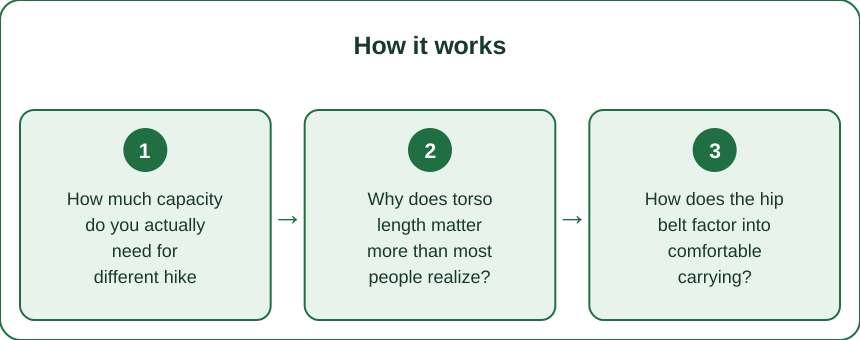
How much capacity do you actually need for different hike lengths?
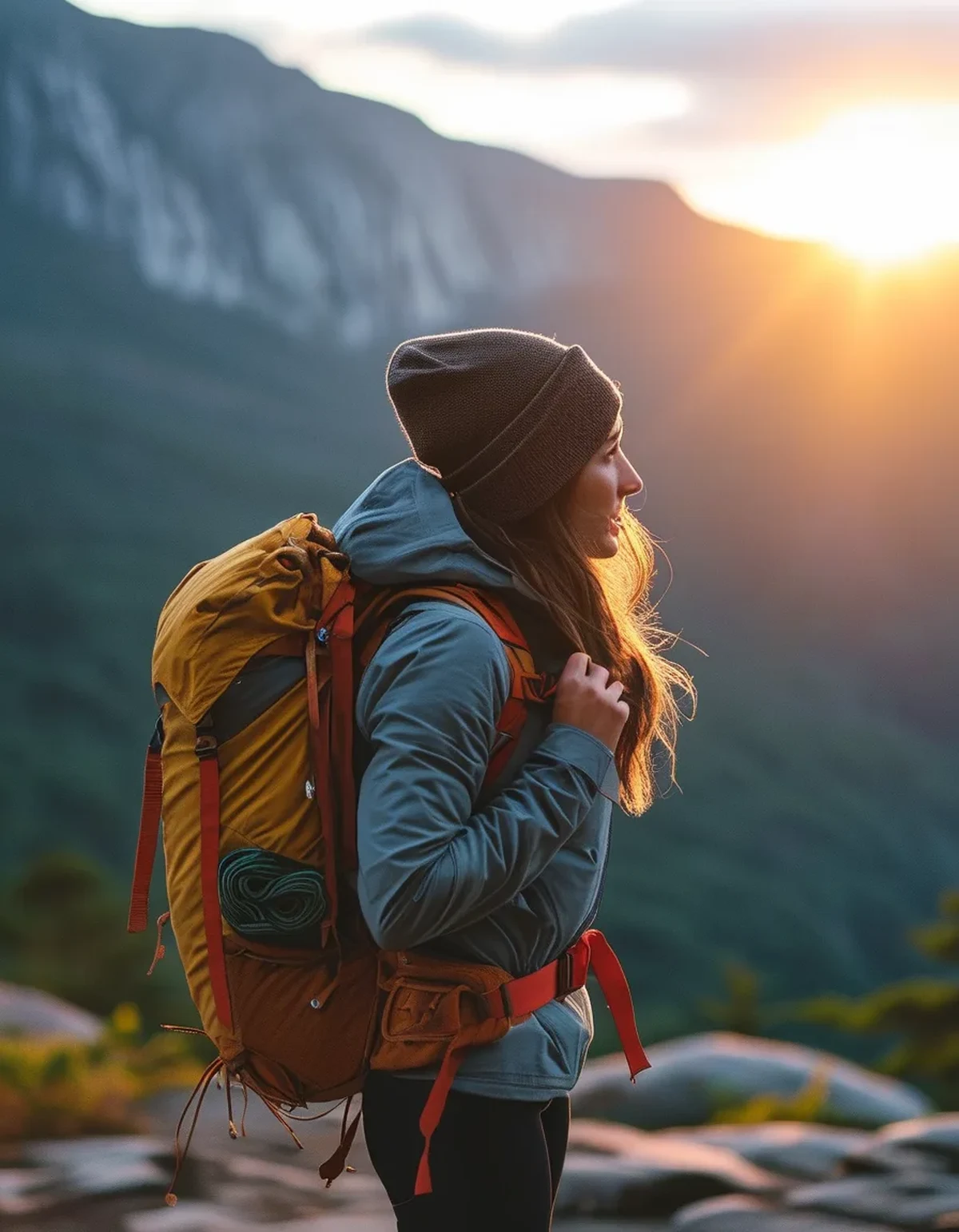
For a short hike under 4 hours, 15-20 liters comfortably fits water, snacks, a light layer, and basic first aid. For a full-day hike (4-8 hours), 20-30 liters accounts for more food, an extra layer, a larger water reservoir, and space for items you shed as temperature changes throughout the day. Anything beyond 30 liters usually starts crossing into overnight-pack territory unless you’re carrying specialized gear like climbing equipment or photography gear.
The biggest overpacking mistake is buying a larger pack ‘just in case’ — a bigger pack you don’t fill still weighs more empty and tends to encourage carrying items you don’t actually need, which adds unnecessary weight to a day hike.
Why does torso length matter more than most people realize?
Torso length — the distance from the base of your neck to your hip bones — is a completely separate measurement from your height or the pack’s liter capacity, and it’s what actually determines whether a pack’s frame sits correctly on your back. A pack with the right liter capacity but the wrong torso-length fit can ride too high (straining your shoulders) or too low (straining your lower back), regardless of how good the volume is for your trip.
Many daypack brands offer a single torso-length fit per model, while others offer S/M/L frame sizes independent of liter capacity — check both numbers separately rather than assuming a pack labeled for your height will automatically fit your torso.
How does the hip belt factor into comfortable carrying?
For packs over about 20 liters, a padded hip belt transfers a meaningful portion of the pack’s weight from your shoulders to your hips, which is far more comfortable over several hours than shoulder straps carrying the full load alone. Smaller daypacks under 15-20 liters often skip a substantial hip belt since the lighter total weight doesn’t need it as much.
When trying on a pack, load it with some approximate weight (many stores have sandbags or weighted pouches for this) and check whether the hip belt sits directly on your hip bones, not above them on your waist — a hip belt riding too high won’t transfer weight effectively no matter how padded it is.
What features actually matter versus what’s just marketing?
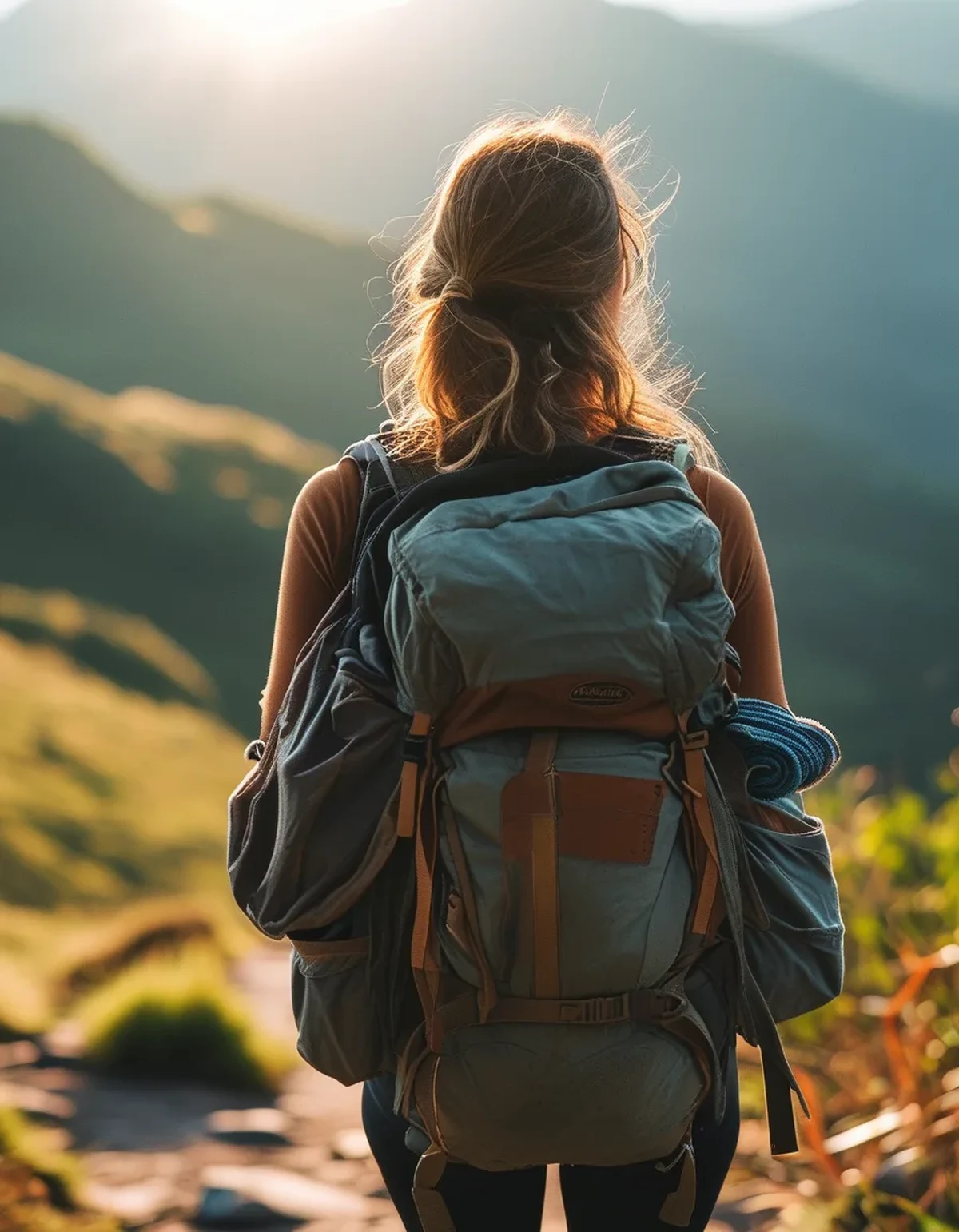
External water bottle pockets, a hydration reservoir sleeve, and a hip belt with small pockets for snacks or a phone are genuinely useful for most day hikers. Features like elaborate modular attachment systems or capacity far beyond what a day trip needs are more relevant to overnight backpacking and often go unused on shorter hikes, adding weight and cost without matching benefit.
Rain covers, while sometimes sold as an add-on, are worth prioritizing if you hike in variable weather — a soaked pack interior on a rainy day hike is a bigger problem than most other feature gaps.
5 Mistakes People Make Choosing a Daypack
1. Buying based on liter count alone, ignoring torso length. A pack that doesn’t fit your frame won’t feel comfortable no matter how appropriate the capacity is.
2. Sizing up ‘just in case’ and ending up overpacking. Extra capacity tends to get filled with items you don’t need.
3. Not testing the pack loaded with weight before buying. An empty pack feels different from a loaded one — always test with some weight if possible.
4. Ignoring hip belt fit for packs over 20 liters. Shoulder-only carrying gets uncomfortable fast on longer hikes.
5. Choosing based on brand reputation alone without checking torso-specific sizing. A well-regarded brand can still be the wrong fit for your specific torso length.
FAQ: Choosing a Daypack, Answered
Can a daypack be adjusted for torso length after purchase?
Some packs have adjustable torso-length harness systems built in, while others are fixed per size — check the product details, since this varies significantly by brand and model.
Is a hydration reservoir better than water bottles for day hikes?
Both work well; a reservoir encourages more frequent sipping without stopping, while bottles are easier to monitor exact water consumption and refill from natural sources if needed.
How do I know if a daypack is genuinely too small for my needs?
If you’re regularly strapping items to the outside of the pack or unable to fit a layer you actually needed, it’s a sign to size up to the next capacity range.
TL;DR:
- 15-20 liters suits most hikes under 4 hours; 20-30 liters suits full-day hikes with more gear
- Torso length, not liter capacity, determines whether a pack’s frame actually fits your back
- A hip belt matters increasingly as pack capacity grows past 20 liters
- Test any pack loaded with weight before buying — an empty pack feels misleadingly different
The right daypack isn’t the biggest one or the most feature-packed one — it’s the one whose torso fit and capacity actually match your specific trip and body.
Keep Reading
This article is for general informational and styling purposes only. Fit, sizing, and product availability may vary — check current details before purchasing.