The Complete Guide to Building an Autumn Day Hike Kit From What You Already Own
Quick Answer: Autumn day hiking needs a warmer, wetter, darker-adapted kit than summer, and the substitutions that work are mostly things you own: running layers, a gym base layer, a rain shell, a phone power bank and a head torch. The three items genuinely worth buying are a waterproof with taped seams, proper socks and a head torch — everything else can be assembled from a normal wardrobe.
The outdoor industry would like autumn hiking to require a new kit list. It requires a different way of using what is already in your drawers, plus about three purchases, and knowing which three is the entire skill.
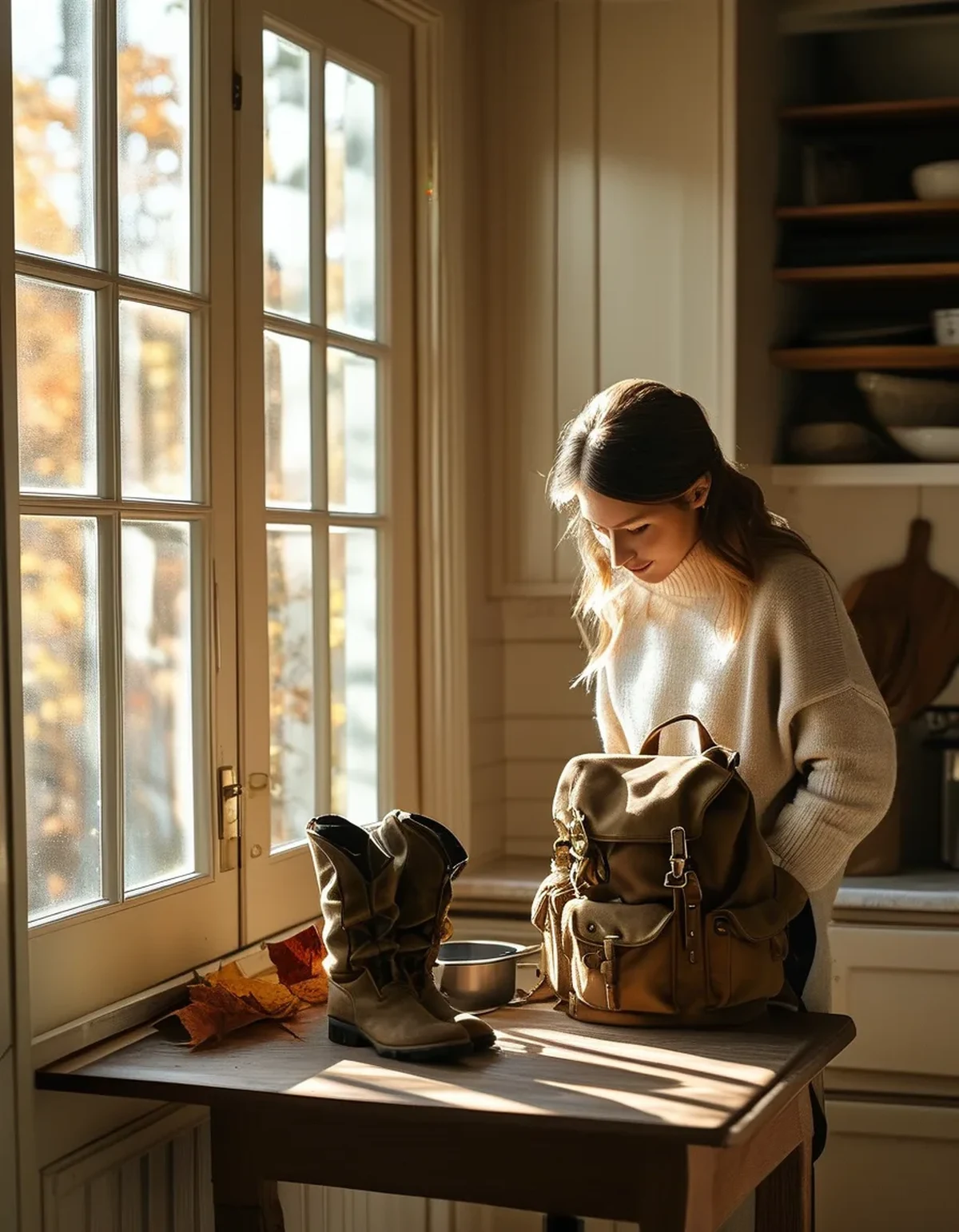
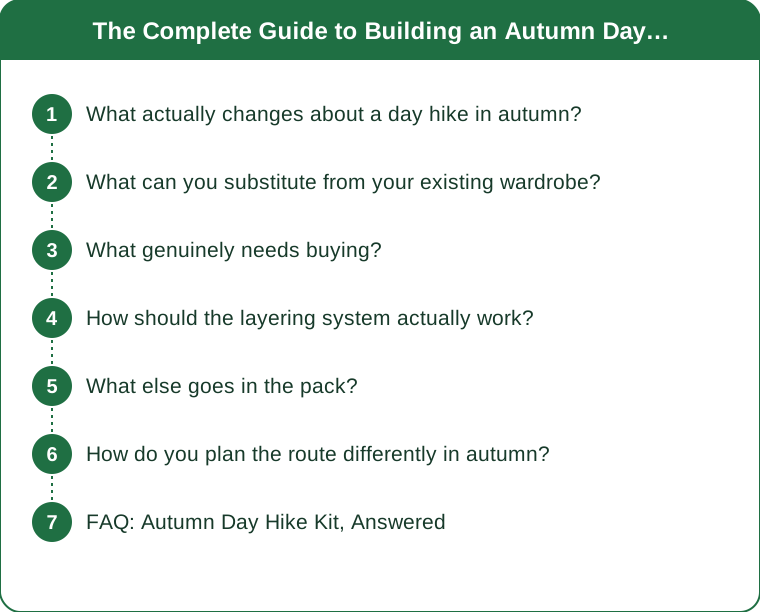
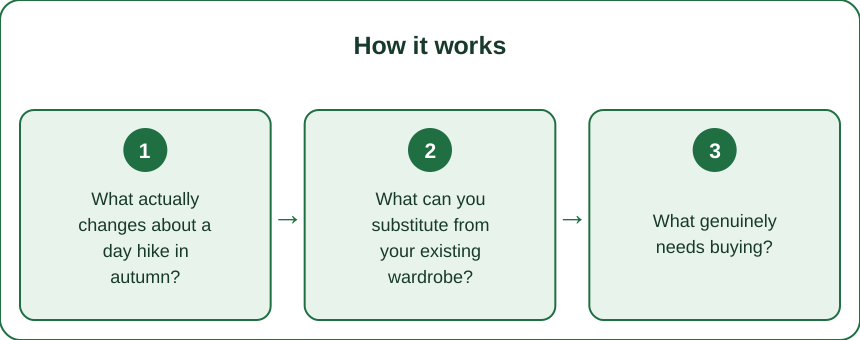
What actually changes about a day hike in autumn?
Four things, and every kit decision follows from them.
The temperature range within a single hike widens dramatically. A summer hike might run from 65 to 80°F. An October hike commonly runs from 40°F at the trailhead at 8am to 60°F on a sunny climb at noon and back to 45°F in the shade at 4pm. You are dressing for a 20-degree swing rather than a stable condition, which is why layering matters far more than any individual garment’s warmth.
Wet becomes the default assumption rather than the exception. Autumn brings rain, wet ground, dew that doesn’t burn off, and vegetation that soaks trousers within a mile. Summer’s approach — get slightly wet, dry out while walking — stops working when air temperature is low, because wet plus cool plus wind is the specific combination that produces hypothermia risk on ordinary day hikes.
Daylight shrinks, fast. Late September through October loses light at its quickest rate of the year, and it’s the single most common cause of autumn hikes going wrong. A route that was comfortable in July, walked at the same pace, now finishes in darkness.
Conditions change faster and with less warning. Autumn weather systems move quicker than summer ones, and mountain and upland weather in particular can shift substantially within an hour. The margin for ‘it’ll probably be fine’ narrows considerably.
The kit implication is consistent: you need more insulation available, more waterproofing, more light, and more margin — but you don’t need to be wearing any of it most of the time. Autumn kit is largely carried, not worn, which is why the pack matters more than it did in July.
What can you substitute from your existing wardrobe?
More than most kit lists imply. Working from the skin outward:
Base layer: gym or running kit. Any synthetic athletic top — a running long-sleeve, a technical gym tee — does exactly what a hiking base layer does, because it’s the same fabric doing the same job. Merino is better in cold and smells less over multiple days; for a single day hike, your running top is fine.
The one absolute rule: no cotton next to skin. A cotton t-shirt holds moisture against you, loses all insulating value when wet and dries extremely slowly. This is the single most repeated piece of hiking advice and it exists because cotton in cool wet conditions is genuinely the mechanism behind a lot of hypothermia cases.
Mid layer: a fleece, a running mid-layer, or a light down or synthetic jacket. A gym hoodie in a synthetic fabric works. A packable down jacket you own for city winter wear works extremely well, provided it stays dry.
Legs: running tights, leggings or any synthetic trouser. Leggings are a completely legitimate hiking option in autumn and are what many experienced hikers use for day walks. Avoid jeans, which are cotton, heavy, cold when wet and slow to dry.
Socks: this is where substitution fails. Cotton socks are the leading cause of blisters, and a wet cold foot is genuinely miserable for hours. This is one of the three purchases.
Gloves and hat: whatever you own. A running beanie and a cheap pair of fleece gloves are fine. Cold hands are the most common autumn complaint and the cheapest to solve.
Pack: any daypack of roughly 20 to 30 litres. A school or commuter backpack works for a half-day route. Autumn kit is bulkier than summer kit, so a 15-litre bag that was fine in July will be tight now.
What genuinely needs buying?
Three things, and buying them well is more useful than buying ten things cheaply.
A waterproof jacket with taped seams. This is the non-negotiable one. A water-resistant fashion jacket, a softshell or an untaped rain jacket will wet through in sustained rain, and sustained rain is the autumn condition that turns an ordinary walk into a problem. Look for taped seams and a hood that actually adjusts. You don’t need the expensive end of the market — an entry-level properly waterproof shell outperforms a mid-range water-resistant one substantially.
Proper hiking socks. Merino or synthetic, cushioned, and fitted. This is the highest comfort return per dollar in all of hiking. Two pairs, and carry the spare — changing into dry socks at lunch on a wet day is transformative.
A head torch. Not a phone torch. Autumn’s shrinking daylight means finishing in the dark is a realistic outcome of any hike that starts later than planned or takes longer than expected, and walking uneven ground holding a phone with a draining battery is how minor problems become serious ones. A basic head torch costs very little and belongs in the pack permanently from September to March.
Worth buying second, once you know you’ll keep hiking: proper footwear. Trail shoes or light boots with real tread make a substantial difference on wet ground and steep descents. Running shoes work for dry easy trails and become genuinely unsafe on wet rock and mud. If you’re substituting here, be conservative about the route rather than the footwear.
Not worth buying yet: trekking poles (borrow first), a GPS unit (your phone with offline maps is fine for day hikes), gaiters, and almost every accessory sold near the till.
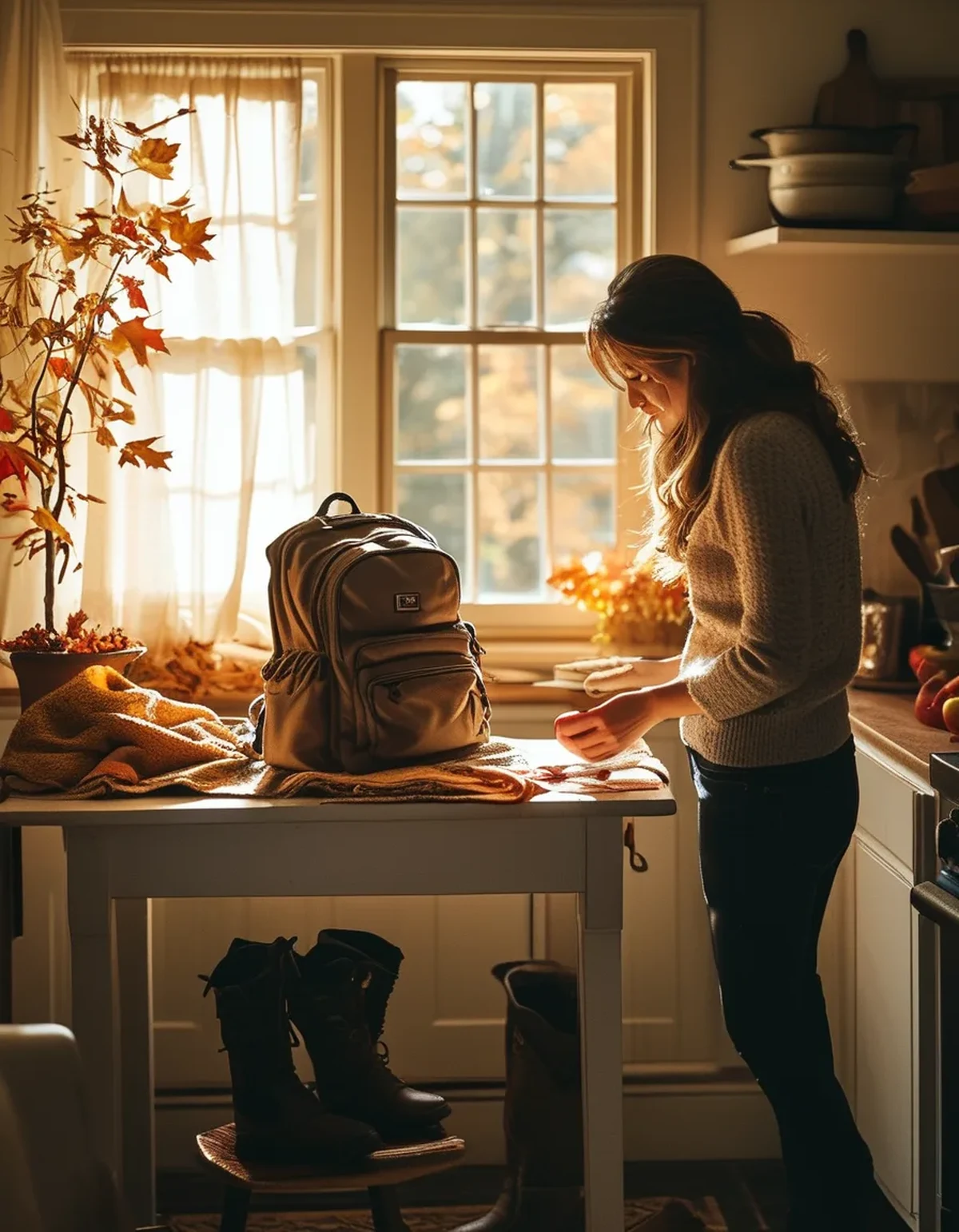
How should the layering system actually work?
Three layers with defined jobs, and the discipline to change them before you need to.
Base layer moves moisture away from skin. Fitted, synthetic or merino, worn all day. It should feel slightly too cool when you start.
Mid layer traps warm air. Fleece or light insulated jacket. Worn at rest and on descents, off on climbs.
Shell blocks wind and rain. Worn when it’s wet or windy, off otherwise because it traps sweat.
The technique that matters more than the garments: start cold. The most common autumn mistake is setting off comfortably warm, which means overheating and sweating within ten minutes of climbing. Sweat-soaked base layers are the primary cause of getting cold later, and they’re entirely self-inflicted. You should feel slightly chilly for the first five minutes.
Adjust before you need to, not after. Stop and remove a layer as soon as you notice you’re warming, and add one at the top of a climb before you start the exposed descent — not after you’ve got cold. Both of these cost thirty seconds and prevent the two ways autumn hikes get unpleasant.
Manage from the extremities and the neck. A hat and gloves adjust your temperature far faster than a jacket, and unzipping a collar dumps heat quickly. These are the fine controls; the layers are the coarse ones.
Keep one layer that never gets worn while moving. A spare insulated jacket or fleece kept dry in the pack, deployed only if you stop for a long break, get injured or get caught out. This is the safety margin, and it’s the item most often left at home in autumn because it wasn’t needed in summer.
What else goes in the pack?
The list is short and every item earns its place.
More water than the weather suggests. Cool conditions suppress thirst and people drink substantially less than they need. Dehydration in autumn is common and under-recognized precisely because you don’t feel hot. Two litres for a full day is a sensible default.
More food than you’d take in summer. Cold conditions increase energy expenditure and autumn days are often longer than planned. Carry something extra beyond what you intend to eat.
Phone plus a power bank. Cold degrades battery performance markedly — a phone at 40°F drains considerably faster than at 70°F, and it’s your map, your camera and your emergency communication. Keep it in an inside pocket, warm, and carry a power bank.
Offline maps downloaded before you leave. Signal is unreliable and a map that requires data is not a map. Download the area, and know how to use the app before you need it.
A small first aid kit with blister plasters specifically. Blisters are the injury you’ll actually get.
An emergency shelter or foil blanket. A survival bag weighs almost nothing and is what turns a twisted ankle at 4pm in October from a serious situation into an uncomfortable wait. This is the item most often skipped and most valuable in exactly the conditions autumn creates.
A dry bag or two heavy-duty plastic bags. Keeping the spare layer genuinely dry is what makes it useful. A wet spare fleece is dead weight.
Whistle, and a note of your route left with someone. Free, and the single most useful safety measure available for anyone walking alone.
How do you plan the route differently in autumn?
Work backward from darkness, and build in more margin than feels necessary.
Calculate your turnaround time before you leave. Look up actual sunset for the date and location, subtract an hour for the light fading in valleys and under tree cover, and work backward from there. Usable light on the ground ends well before official sunset — often 30 to 45 minutes earlier in wooded or steep terrain.
Assume you’ll be slower than summer. Wet ground, mud, leaf cover hiding roots and rocks, and shorter comfortable rest stops all reduce pace. A route you did in four hours in July may take five now, and the standard planning formula of roughly 3 km/h plus extra time per 300m of ascent should be treated as optimistic in wet autumn conditions.
Choose routes with escape options. A circular route with a shortcut back, or an out-and-back where turning early is easy, is a much better autumn choice than a committing loop with no bail-out.
Check conditions the morning of, not the night before. Autumn systems move fast enough that a forecast twelve hours old is meaningfully out of date, and mountain forecasts in particular should be checked as late as possible.
Leaf cover is an underrated hazard. Fallen leaves hide roots, rocks, holes and — critically — wet rock, and they’re slippery on slopes in their own right. Descents in leaf-covered woodland are where autumn ankle injuries happen, and the answer is slowing down rather than any piece of equipment.
Start earlier than you want to. Every autumn hiking problem is easier with an extra hour of daylight, and the hour is only available at the beginning of the day.
What Nobody Tells You About Shoulder Season Hiking
The best hiking of the year is happening right now. Cooler temperatures make climbs substantially more comfortable, the bugs are gone, the trails are quiet after the summer crowds, the air is clearer for views, and the light is better than at any other time of year. Autumn is the season experienced hikers look forward to, and the caution in this guide exists to let you use it rather than to discourage you.
Cold-weather dehydration is real and most people miss it. You sweat in cool weather; you just don’t notice it because it evaporates immediately. Respiratory water loss also rises in cold dry air. Set a drinking schedule rather than waiting for thirst.
The car park is not the summit. Temperature drops roughly 3.5°F per 1,000 feet of elevation, and wind increases significantly with height and exposure. A pleasant 55°F at the trailhead can be a windy 45°F on a ridge, and that difference is what catches people out on their first autumn hill walk of the season.
Your summer fitness doesn’t fully transfer. Autumn hiking involves more layers, a heavier pack, muddier ground and more careful footing. It’s genuinely harder work for the same distance, and planning as though it isn’t is the second most common autumn mistake after misjudging daylight.
Wet feet are inevitable and manageable. Trying to keep feet completely dry on an autumn hike is usually a losing battle. Carrying dry socks and accepting wet ones works better than fighting it.
Nobody looks at your kit. The idea that you need matching technical gear to be taken seriously on a trail is entirely imaginary. Experienced hikers wear old, mismatched, well-chosen kit, and the person in leggings and a running top with a properly waterproof shell is better equipped than the person in a full outfit bought last week.
FAQ: Autumn Day Hike Kit, Answered
Can I really hike in leggings?
Yes, for day hikes in reasonable conditions, and plenty of experienced hikers do. They’re synthetic, they dry fast and they move well. The gaps versus proper hiking trousers are wind resistance and durability against rock and thorns — both matter more on exposed or rough terrain than on a woodland trail.
Do I need boots or will trainers do?
On dry, easy, well-surfaced trails, trail running shoes are fine and often preferable. On wet rock, mud or steep descent, the tread and support of a proper trail shoe or light boot makes a real safety difference. Match the footwear to the route rather than buying for the worst case immediately.
How much should the waterproof jacket cost?
Entry-level properly waterproof jackets from established outdoor brands are affordable and adequate for day hiking. Taped seams and an adjustable hood matter far more than the fabric technology name. Spending more buys durability, breathability and weight savings, not a fundamental difference in staying dry on a day walk.
What if I only hike a few times a year?
Then the three purchases — shell, socks, head torch — are the entire kit list, and everything else can come from your wardrobe indefinitely. There’s no obligation to build a gear collection.
Is it safe to hike alone in autumn?
With the standard precautions, yes: tell someone your route and expected return, carry a charged phone and power bank, take a head torch, and choose a route with escape options. The daylight and weather margins matter more when alone, so plan a shorter day than you would with company.
What’s the one thing most people forget?
The head torch, followed closely by a genuinely dry spare layer. Both are cheap, both live permanently in the pack, and both matter most on exactly the days that didn’t go to plan.
TL;DR:
- Autumn hiking means a 20-degree temperature swing, wet as the default, and light that disappears fast.
- Your running and gym kit substitutes for base and mid layers — the only rule is no cotton next to skin.
- Buy three things: a taped-seam waterproof, proper hiking socks, and a head torch.
- Start cold, adjust layers before you need to, and keep one genuinely dry spare layer you never wear while moving.
- Plan backward from sunset minus an hour, assume a slower pace, and choose routes with escape options.
- Cold-weather dehydration is real; drink on a schedule rather than waiting for thirst.
The kit list is short and most of it is already in your drawers. What autumn actually demands is more margin — in warmth, in waterproofing, in light and in time — and margin costs almost nothing to carry.
See It in Motion
Seen here: Super High Waist Embossed Yoga Leggings with Inner Pocket — shop it on bubblelime.com
Keep Reading
This article is for general informational and styling purposes only. Fit, sizing, and product availability may vary — check current details before purchasing.