Why Hiking Blisters Come From Your Socks and Your Timing, Not Your Boots
When a hike ends with raw heels, the boots usually take the blame and sometimes get returned. But blisters are rarely about the boot itself. They are about friction, moisture, and heat building up in a spot over time, and all three are things you can manage before you ever hit the trail. Here is what actually causes blisters, the sock system that heads them off, and the one mid-hike habit that prevents the small hot spot from becoming a real problem.
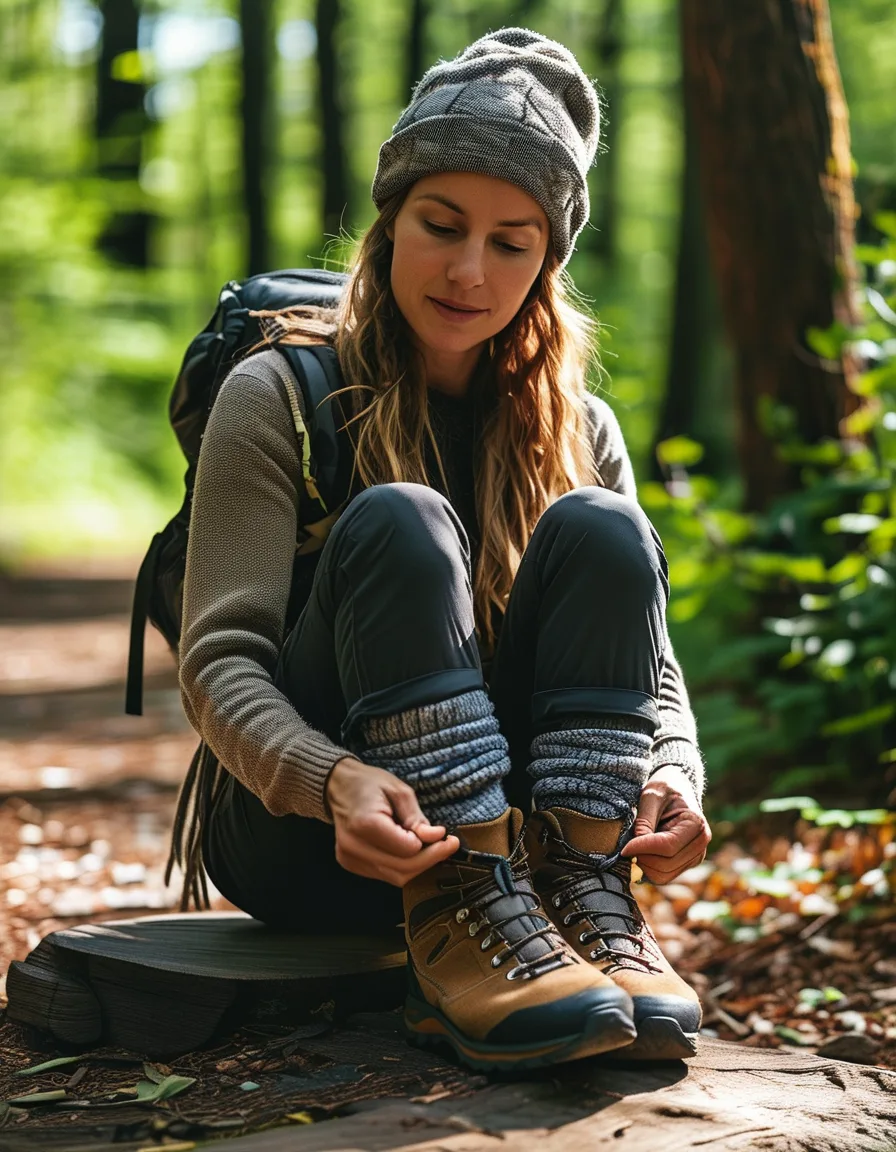
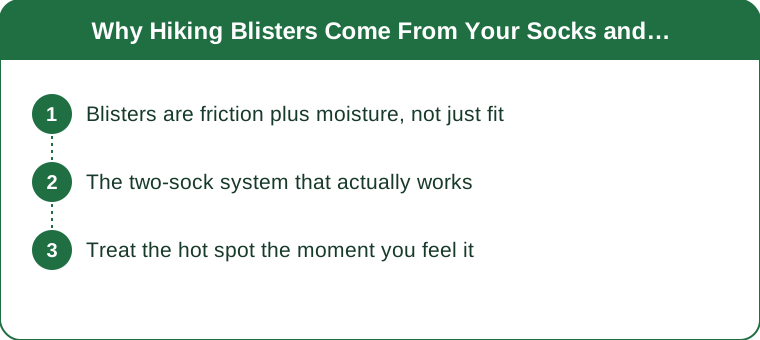
Blisters are friction plus moisture, not just fit
A blister forms when the top layers of skin shear back and forth against a sock, and that shearing gets dramatically worse once your foot is damp. Sweat softens skin and raises friction, so the same boot that felt fine for an hour turns punishing on a hot climb. This is why brand-new boots and long dry days can both cause trouble. The fix is not only a better boot but controlling the moisture and the rub, which is where socks and timing do most of the work.
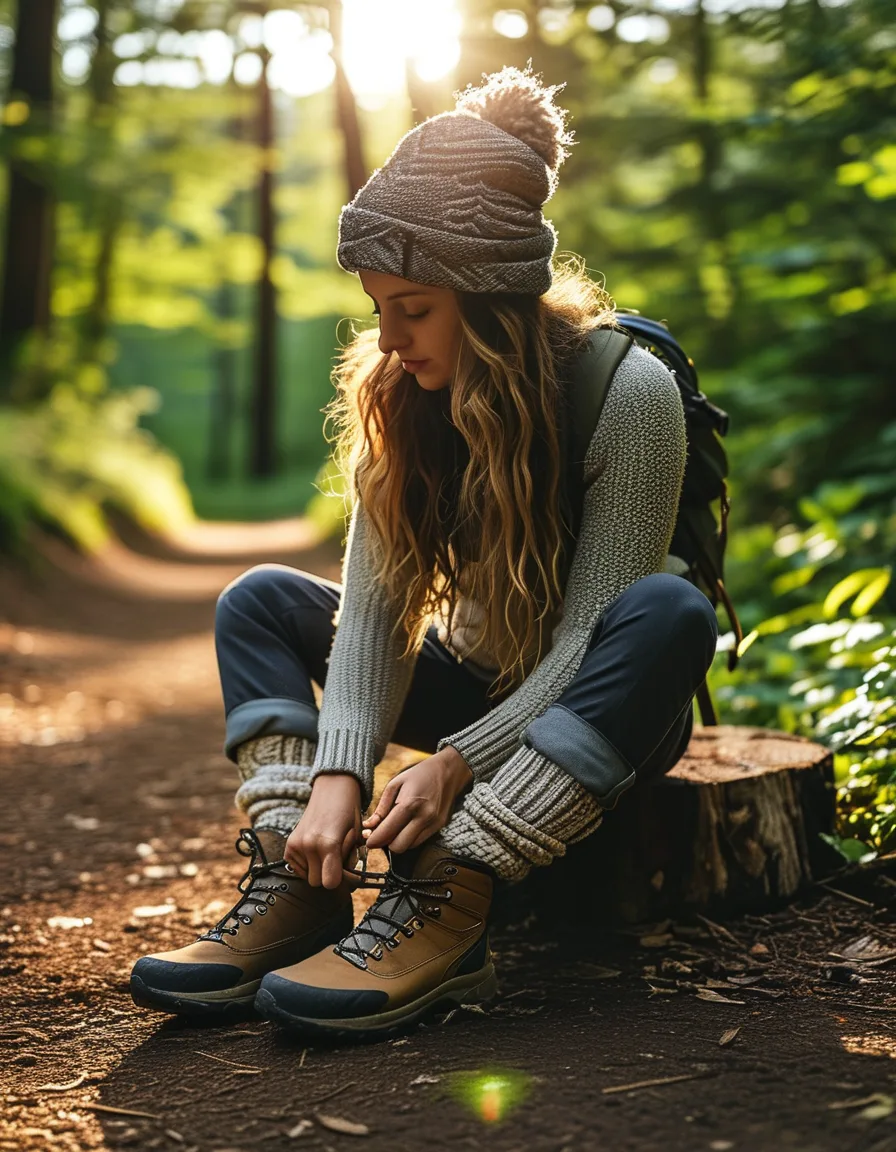
The two-sock system that actually works
Wear a thin synthetic or silk liner sock under a cushioned wool hiking sock. The two layers rub against each other instead of against your skin, absorbing the shear that would otherwise raise a blister. Wool wicks moisture away from the foot and keeps its cushioning even when damp, unlike cotton, which holds sweat against the skin and is the single worst choice on a trail. This pairing sounds fussy but it is the most reliable blister prevention most hikers ever try.
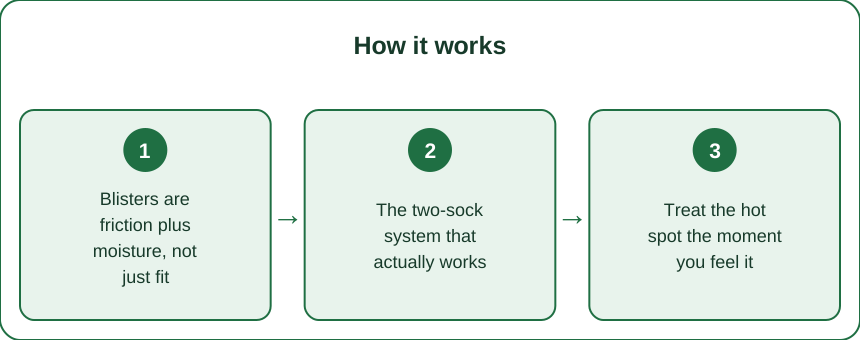
Treat the hot spot the moment you feel it
The real skill is stopping the instant you notice a warm, tender patch, before it becomes a blister. That means actually taking your boot off, drying the foot, and covering the spot with tape or a blister patch. Most people push through because stopping feels like weakness, and they pay for it an hour later. A two-minute pause on a hot spot saves a week of limping, so build it in as a rule rather than a judgment call.
Blisters feel like a boot problem, but they are almost always a friction and moisture problem you can prevent. Pair a thin liner sock with a cushioned wool one so the layers absorb the shear, keep cotton off your feet entirely, and treat any hot spot the second you feel it rather than powering through. None of this requires new gear or a bigger budget, just a small system and the discipline to stop early. Get those habits in place and your feet stop being the reason a good hike ends short, no matter what is on the shoe rack.
Keep Reading
This article is for general informational and styling purposes only. Fit, sizing, and product availability may vary — check current details before purchasing.