Why Flat Trail Training Doesn't Prepare You for Your First Real Hike With Elevation
Quick Answer: Flat-terrain walking builds cardiovascular endurance but doesn’t train the specific muscular demands of sustained uphill effort — particularly the glutes, quads, and calves working eccentrically and concentrically against gravity — so building real hiking stamina for elevation requires training on actual grade, not just accumulating flat mileage.
Cardio fitness from flat walks is real and useful. It’s also answering a different physical question than the one a hilly trail is going to ask.
Why doesn’t strong flat-walking cardio translate directly to hill climbing?
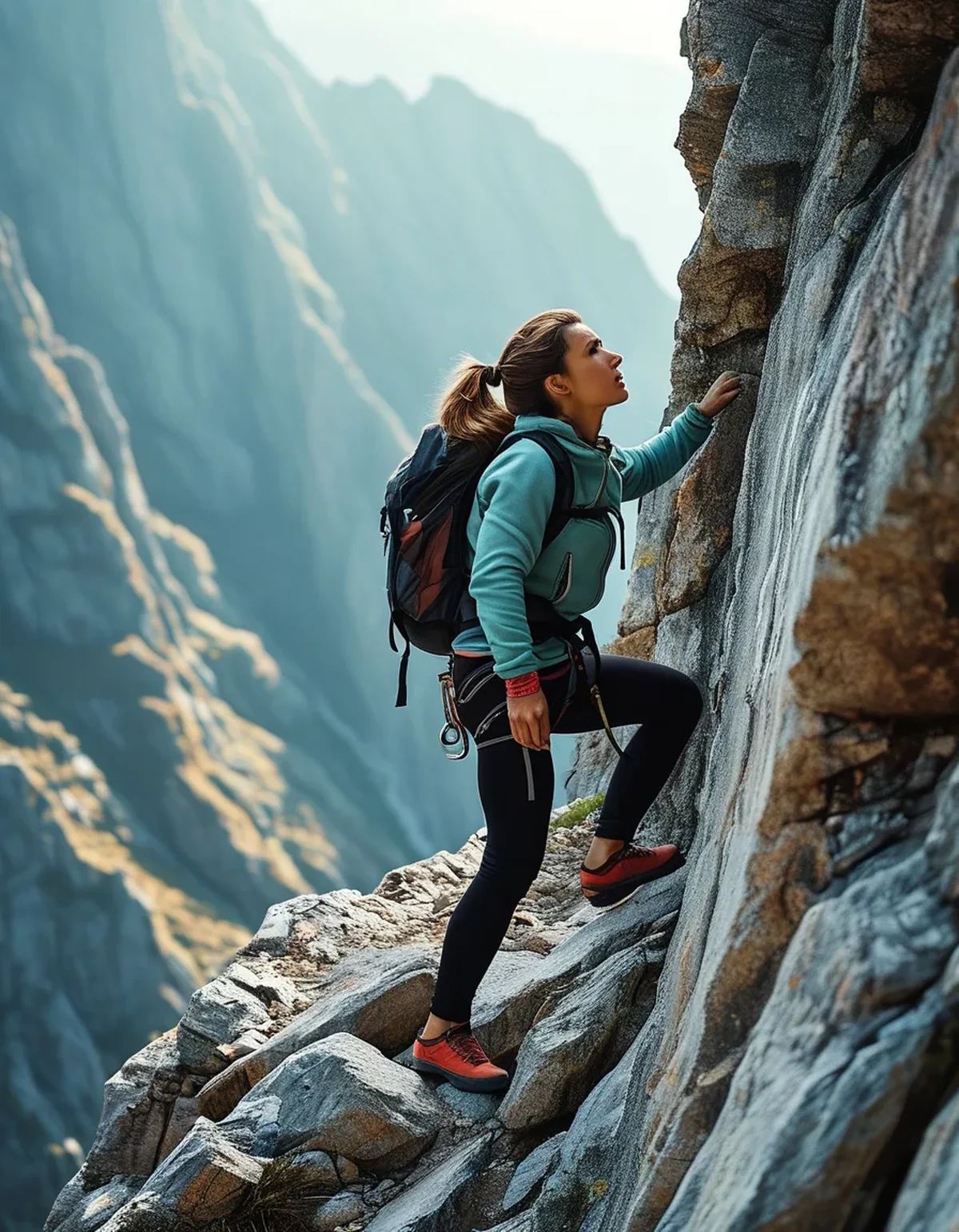
Cardiovascular endurance and muscular strength-endurance are related but distinct capacities. Flat walking trains your heart and lungs to sustain effort over time, but climbing adds a significant muscular load component — your glutes, quads, and calves have to repeatedly generate force against gravity with every step, which flat terrain simply doesn’t demand in the same way.
This is why someone can have genuinely strong flat-trail cardio and still hit muscular fatigue (not just cardiovascular fatigue) rapidly on their first real climb — it’s a different limiting system entirely.
What’s actually happening in the muscles during a climb that’s different from flat walking?
Uphill walking requires significantly more concentric muscle work (muscles shortening under load) from the glutes and quads with every step to lift body weight against gravity, compared to flat walking’s more efficient, lower-force gait cycle.
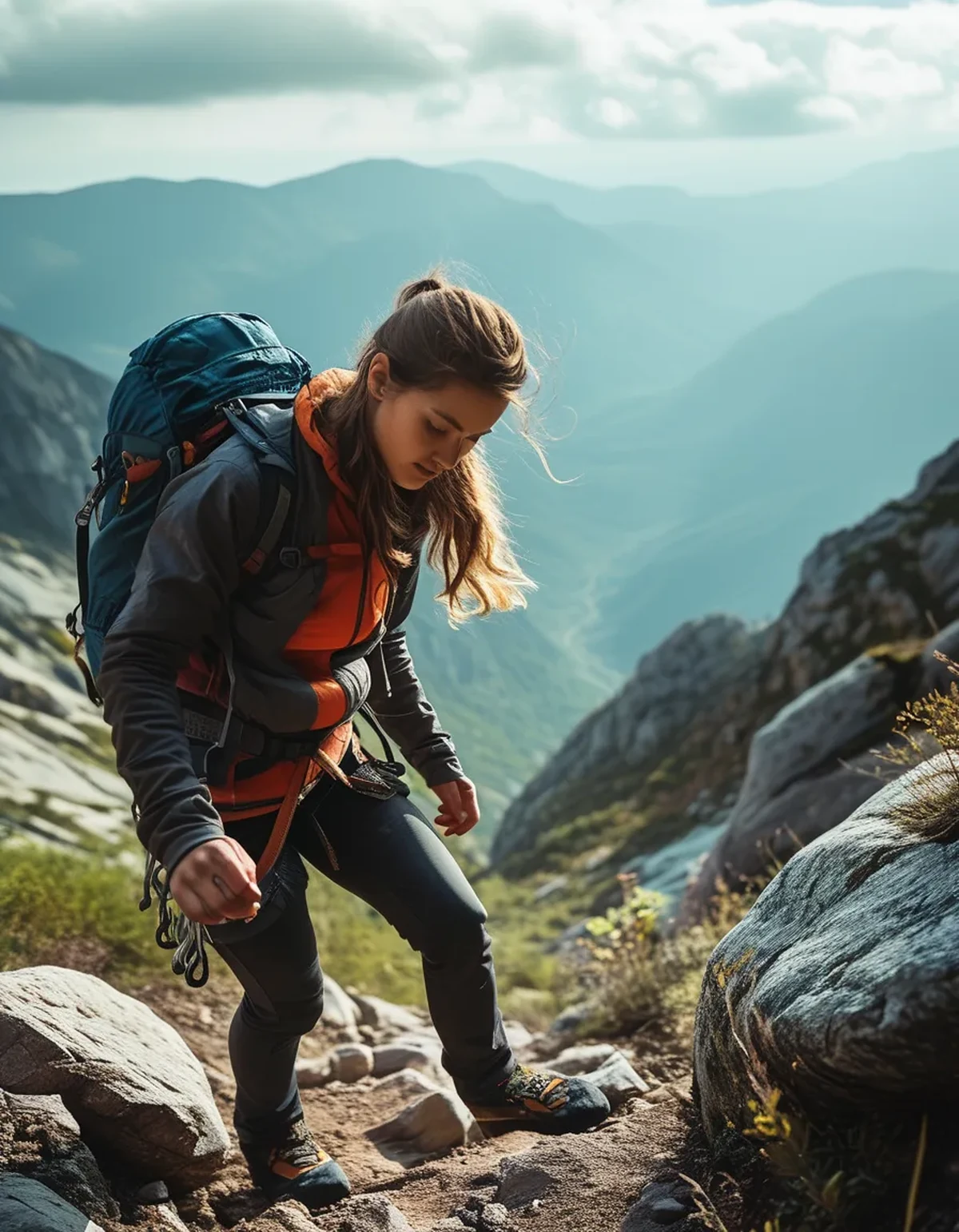
Downhill sections add a different demand: eccentric loading (muscles lengthening under control) as the same muscles work to control descent rather than propel ascent — which is part of why legs can feel equally or more fatigued on the way down.
Is there a way to train for elevation without regular access to real hills?
Stair climbing, incline treadmill walking, and step-up exercises all replicate the concentric loading pattern of uphill hiking reasonably well, even without trail access — walking on a meaningfully steep treadmill incline (10%+) for sustained periods is one of the more direct substitutes available.
Weighted step-ups specifically target the same glute and quad demand pattern climbing requires, making them a useful strength-training addition alongside cardio-focused incline work.
Build Stamina for Hiking: What Actually Works
The most effective preparation combines three elements: cardiovascular base (any sustained aerobic activity), specific muscular strength-endurance (weighted step-ups, incline work, squats), and progressive exposure to actual grade whenever possible, even short hill repeats near home.
Many experienced hikers recommend starting with shorter hikes that include real elevation gain rather than long flat hikes, since the elevation-specific adaptation matters more for a first real climb than total flat mileage does.
FAQ: Hiking Stamina Questions, Answered
How much elevation gain is considered significant for a beginner hike?
Generally, hikes with more than 1,000 feet of gain start meaningfully testing muscular endurance beyond what flat walking prepares you for.
Does hiking with trekking poles change the muscular demand?
Poles can reduce leg-specific load somewhat by distributing effort to the arms and shoulders, which can help preserve leg endurance on longer or steeper climbs.
How long does it typically take to build noticeable hill-climbing stamina?
Most people notice meaningful improvement within 4-6 weeks of consistent incline-specific training, though it depends on starting fitness level and training frequency.
TL;DR:
- Flat walking builds cardiovascular endurance but not the specific muscular demands of climbing
- Uphill sections demand concentric glute and quad work; downhill adds eccentric control demand
- Stair climbing, incline treadmill work, and weighted step-ups substitute well for real elevation access
- Combining cardio base, strength-endurance work, and real grade exposure prepares you better than flat mileage alone
The burning legs on your first real climb aren’t a fitness failure — they’re a training gap, and it’s one that incline-specific work closes fairly quickly.
Keep Reading
This article is for general informational and styling purposes only. Fit, sizing, and product availability may vary — check current details before purchasing.