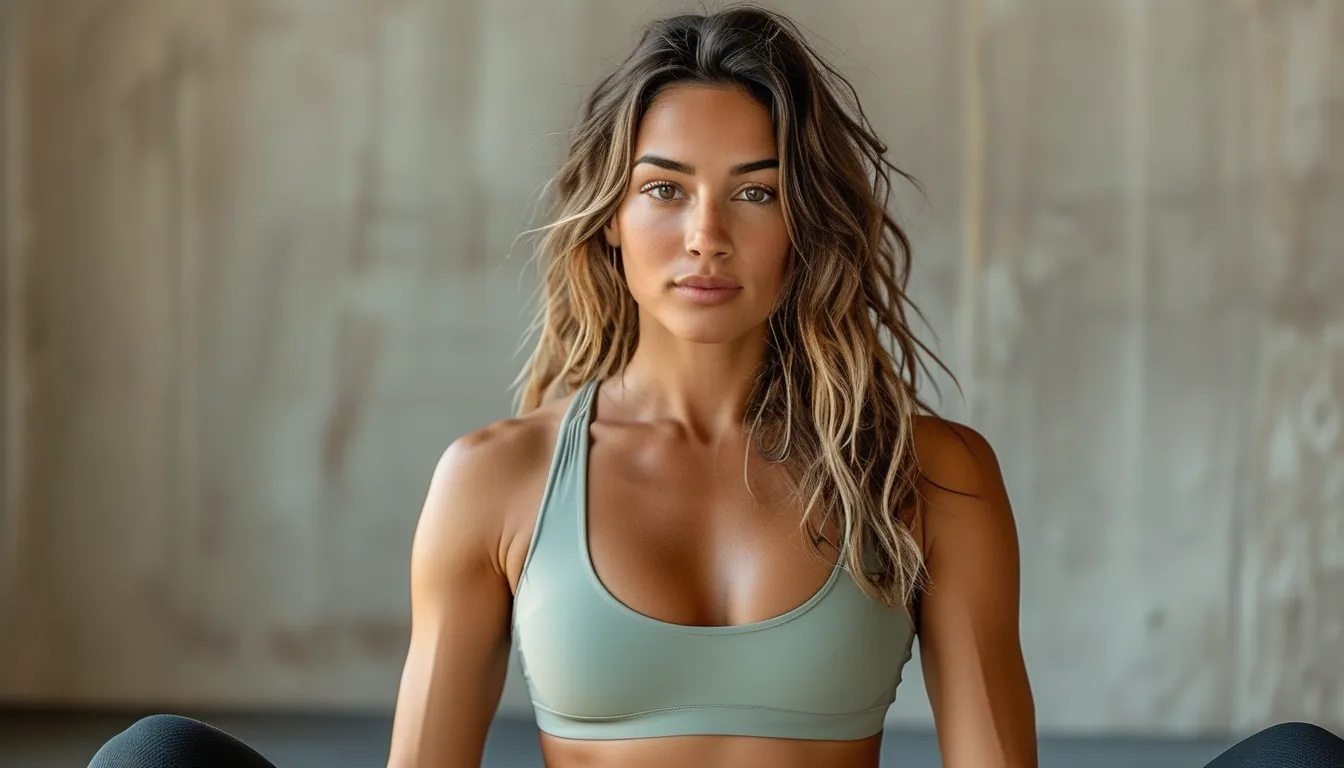
Leggings vs. Hiking Pants: What's Actually Better on the Trail?
Stand at any trailhead on a Saturday and you’ll see the great divide: half the women in leggings, half in proper hiking pants, and both groups quietly convinced the other has made a mistake.
Neither has. They’re just hiking different trails.
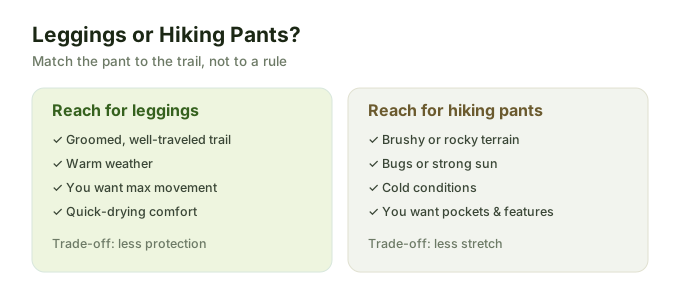
Quick Answer: Leggings win on movement, weight, and breathability — ideal for groomed, warm, well-traveled trails. Hiking pants win on durability, sun and bug protection, and pockets — necessary for brushy, rocky, buggy, or cold routes. Match the pant to the trail conditions, not to a rule. If you’re buying one thing to start with, a thicker hiking legging covers the widest range of days.
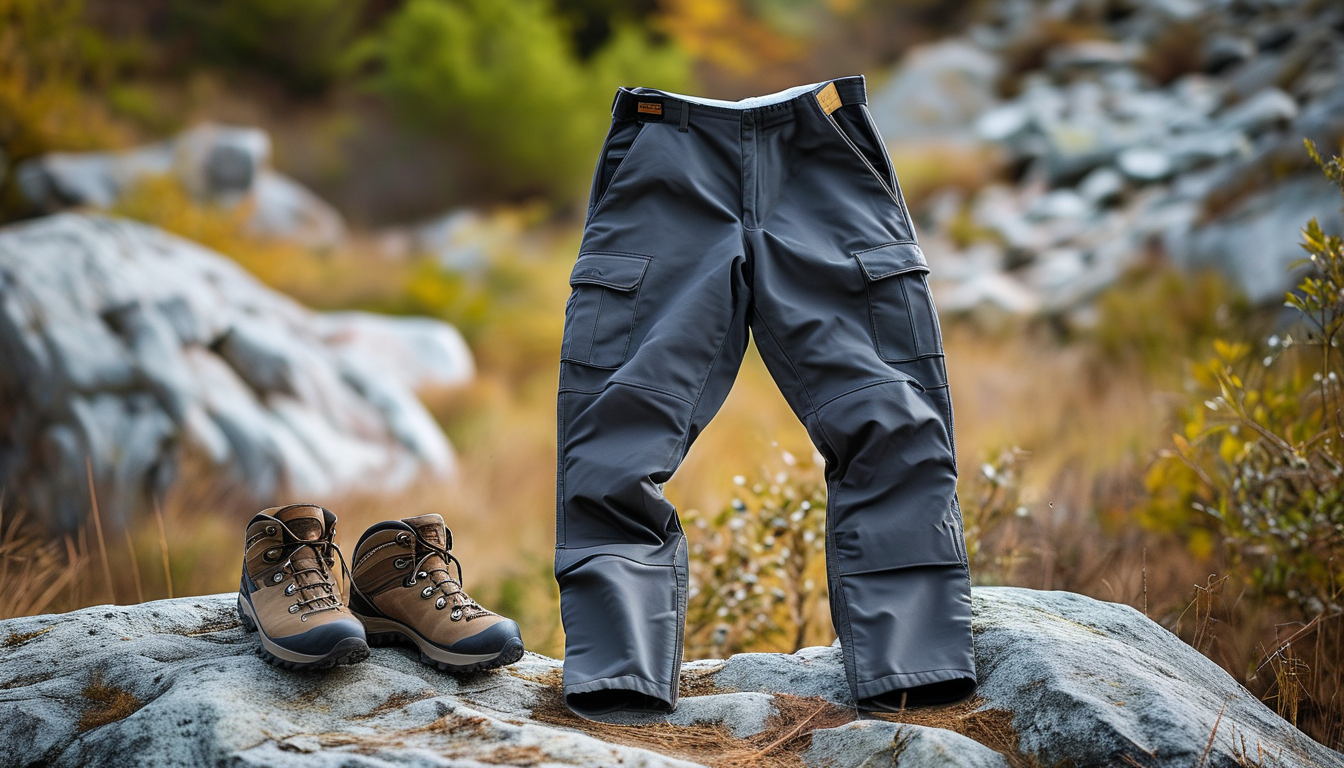
Why Do So Many Hikers Wear Leggings Now?
Because for a large share of actual hiking, they’re simply better.
Freedom of movement. Hiking isn’t walking on flat ground — it’s high-stepping over roots, scrambling on rock, and stepping down off ledges. Four-way stretch does that without a single restricted moment. Hiking pants, even good ones, have a range limit you’ll feel on a big step up.
Light and quick-drying. A pair of moisture-wicking leggings weighs a fraction of most hiking pants and dries far faster after a sweaty climb or a creek crossing. On a hot ascent, that difference is significant.
No waistband problems. A pack hip belt sits directly on your waistband for hours. A high, wide legging waistband disappears under it; a hiking pant’s button-and-zip closure can dig in mile after mile. This is the reason a lot of long-distance hikers switched and never went back.
They fit under things. Leggings layer cleanly under rain pants or shorts, which hiking pants don’t.
The trade-off is real, though: thin fabric doesn’t protect you. Thorny brush, sharp rock on a scramble, and sustained high-altitude sun all get through a legging in a way they don’t get through a canvas-weight hiking pant.
When Do Hiking Pants Actually Win?
When the trail is fighting back.
Durability. Overgrown trails, scree fields, rock scrambling, and bushwhacking will shred thin fabric and scrape the skin underneath. Hiking pants are built for abrasion.
Sun protection. At altitude, on exposed ridgelines, or on any long desert route, thin stretch fabric isn’t enough sun protection for a multi-hour day. Many hiking pants carry a UPF rating; most leggings don’t.
Bugs. Ticks and mosquitoes get through thin, tight-stretched fabric more easily than through a looser woven pant. In tick country this stops being a comfort question — tick-borne illness is a real risk, and a pant you can tuck into your socks is meaningfully better protection.
Pockets and features. Zip-off legs, thigh vents, real pockets that hold a phone and a snack without bouncing, and belt loops for a pack.
Cold and wind. A woven pant blocks wind that goes straight through a legging.
The trade-off: less stretch, less breathability, and a bulkier feel that’s genuinely unpleasant on a hot, easy trail.
The Honest Answer: Pick by the Day
This was never really a war. Most women who hike regularly keep both and choose in the morning:
- Groomed, warm, well-traveled trail? Leggings, every time.
- Brushy, rocky, buggy, or cold? Hiking pants.
- Somewhere in between? A durable, thicker hiking legging splits the difference well.
A quick pre-hike checklist that decides it in about ten seconds:
- Will I be pushing through vegetation? → Pants.
- Is this tick season, in tick habitat? → Pants.
- Exposed above treeline for hours? → Pants, or leggings plus real sun management.
- Am I scrambling on rock? → Pants, or accept some scraped shins.
- None of the above, and it’s warm? → Leggings.
What Nobody Tells You About Hiking in Leggings
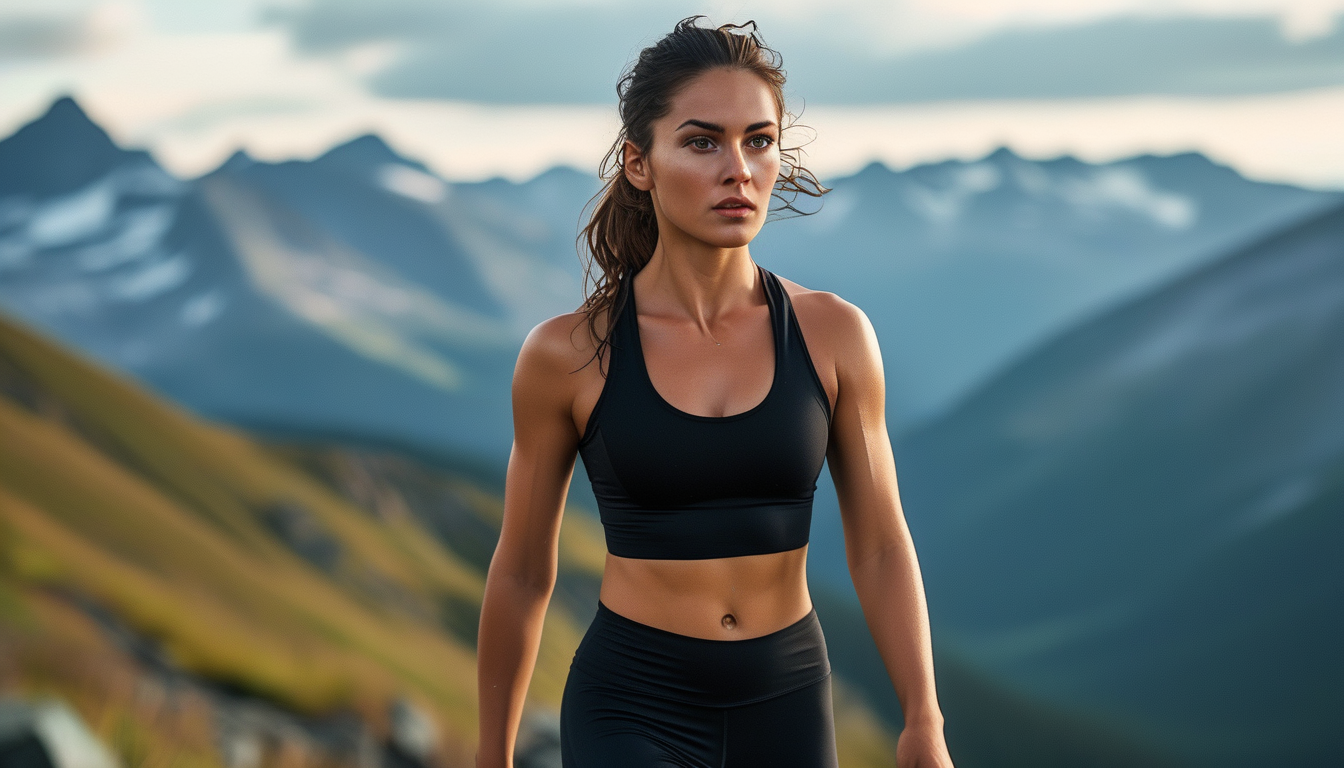
Not all leggings are hiking leggings. A thin studio legging that’s perfect for yoga will pill against rock, snag on branches, and go semi-transparent when it’s stretched over a big step up. Look for a heavier weight, a genuinely squat-proof knit, and ideally a pocket. Thickness is the whole difference between a legging that hikes well and one that doesn’t.
Pockets change the experience. Being able to reach your phone without stopping to take off your pack is a much bigger quality-of-life upgrade than it sounds. Side-pocket hiking leggings are worth seeking out specifically.
Cotton is the actual enemy, not the silhouette. Whichever you choose, the fabric matters more than the shape. Cotton holds sweat, stays wet, chafes, and gets dangerously cold when the temperature drops. Synthetic or merino, either way.
Dark colors hide dirt but attract ticks and heat. Light colors make ticks far easier to spot — a genuine advantage in tick season — and stay cooler in direct sun. Trade-off against how visibly muddy you’re willing to be.
Chafing comes from wet, not from fabric. If your inner thighs chafe, the fix is usually a drier fabric and an anti-chafe balm, not switching to a looser pant.
FAQ
Are leggings warm enough for cold-weather hiking?
Not on their own below roughly 45–50°F with wind. The usual approach is layering — a base-layer legging under a softshell or hiking pant — which gives you the stretch of a legging with the wind resistance of a woven outer. A single pair of standard leggings in cold wind loses heat quickly.
Do you need special hiking leggings, or will regular ones work?
Regular leggings work fine on easy, groomed trails in good weather. For anything rougher, a purpose-built hiking legging is noticeably better: heavier fabric that resists snags, a genuinely opaque knit, often a UPF rating, and usually pockets. The thin studio pair is the one that gets shredded on rock.
What’s the best option for hiking in tick country?
Hiking pants you can tuck into your socks, in a light color, with permethrin treatment if you hike there often. Ticks climb upward from ground vegetation, so a sealed leg opening is the single most effective barrier — and light fabric makes them far easier to spot during checks. This is the one scenario where the choice isn’t really about comfort.
TL;DR:
- Leggings win on stretch, weight, drying speed, and comfort under a pack hip belt.
- Hiking pants win on abrasion resistance, sun protection, bug protection, pockets, and wind.
- Match the pant to the trail, not to a rule. Most regular hikers own both.
- Quick test: vegetation, ticks, exposure, or scrambling → pants. Otherwise → leggings.
- A thin studio legging is not a hiking legging. Look for heavier fabric, full opacity, and pockets.
- Cotton is the real mistake in either silhouette — synthetic or merino only.
- Building a kit from scratch? A rugged hiking legging is the most versatile first buy.
See It in Motion
Seen here: Super High Waist Embossed Yoga Leggings with Inner Pocket — shop it on bubblelime.com
Keep Reading
This article is for general informational and styling purposes only. Fit, sizing, and product availability may vary — check current details before purchasing.