Solo Hiking for Women: How to Hit the Trail Alone, Safely and Confidently
Quick Answer: Solo hiking is safe for women with real preparation: tell one specific person your exact route and return time, research the trail’s difficulty and current conditions, carry the ten essentials plus a charged phone or satellite messenger, start with popular well-trafficked trails close to home, and trust your instincts about people and weather without exception.
The first solo hike is mostly a conversation with your own nerve. Every rustle is something. Every trail junction feels like a decision you might regret.
Then somewhere around mile two it flips, and you understand why people do this. The solitude, going exactly your own pace, deciding when to stop — it’s a different sport from hiking with company.

Is Solo Hiking Safe for Women?
With preparation, yes — and the statistics are more reassuring than the internet comment section suggests. The realistic risks on a solo day hike, roughly in order of likelihood: getting lost, a twisted ankle, weather turning, dehydration, and running out of daylight. All five are preparation problems.
The risk everyone worries about first — other people — is real but far rarer than the mundane ones, and it’s meaningfully reduced by trail choice and basic awareness.
The uncomfortable truth is that most solo hiking incidents come down to someone going further than planned, later than planned, on a trail they didn’t research. That’s the thing to fix.
What Are the Non-Negotiable Safety Habits?
1. Tell one specific person your plan. Not “I’m going hiking.” Trail name, trailhead, route, expected return time, and what to do if they haven’t heard from you by a set hour. Text a screenshot of the trail map. This single habit does more for your safety than everything else combined.
2. Research the trail properly. Distance, elevation gain, difficulty, current conditions, recent trip reports. Recent reports matter most — trails wash out, get overgrown, or close.
3. Carry navigation you don’t need a signal for. A downloaded offline map plus a paper map. Phone GPS works without service for location, but the map needs downloading in advance. Know your route before you start.
4. Bring the ten essentials. Navigation, headlamp, sun protection, first aid, knife, fire, shelter, extra food, extra water, extra layer. On a short familiar hike this feels excessive — it’s what turns an unplanned night out from an emergency into an inconvenience.
5. Charged phone, and consider a satellite messenger. A battery pack costs $20. A satellite communicator with an SOS function is the single best purchase for regular solo hikers, since most of the good trails have no cell coverage.
6. Start with popular, well-trafficked trails. Passing other hikers regularly is both a safety net and a confidence builder. Save the remote routes for later.
7. Check the weather, including the mountain forecast. Valley weather and ridge weather are different weather. Turn around for incoming storms without negotiating with yourself.
8. Trust your instincts, every time. If a person or a situation feels wrong, leave. You owe no one politeness, an explanation, or the benefit of the doubt. This one is absolute.
How Do You Build Confidence Solo?
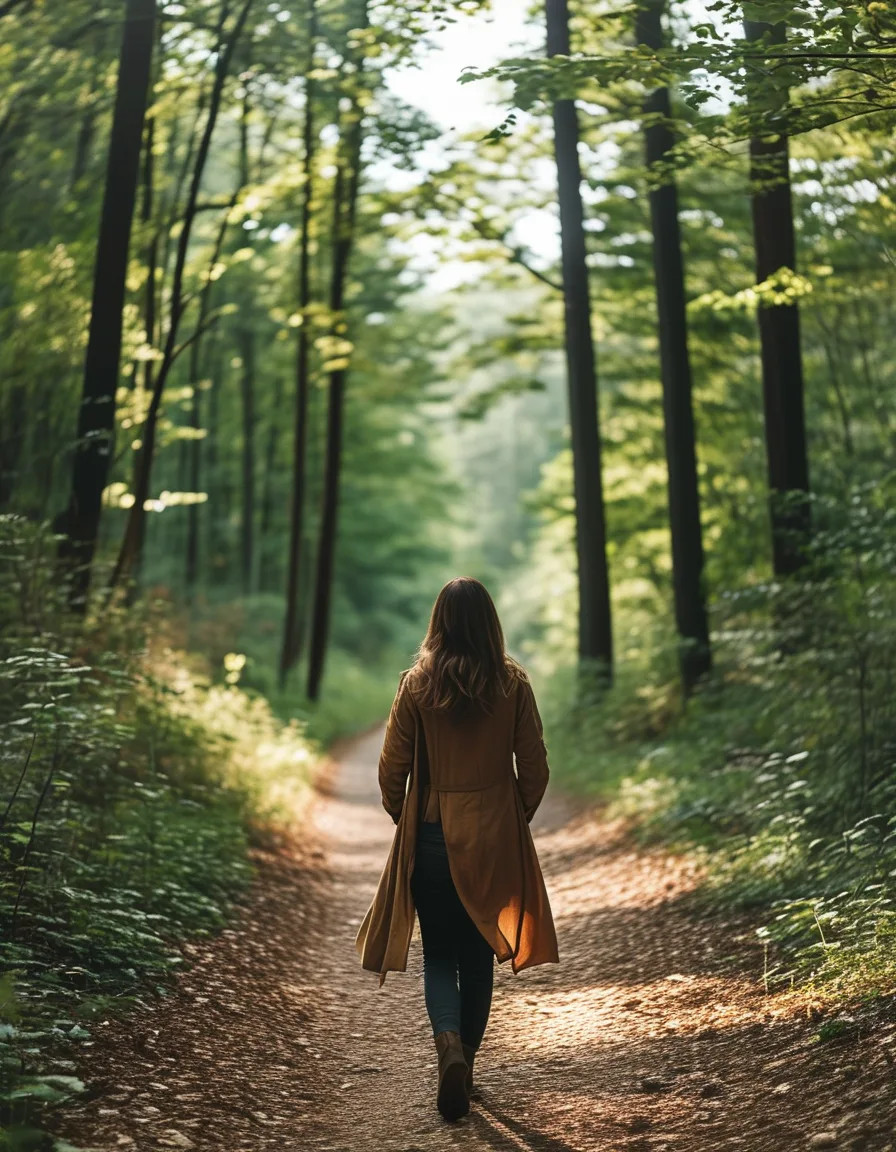
Start close to home. A trail you’ve hiked with others, on a Saturday morning, 3–4 miles. The goal of hike one is not adventure — it’s proving to yourself that the mechanics work.
Go early. Early starts mean more daylight buffer, cooler temperatures, more people around, and better parking. Almost every solo hiking problem gets smaller with an earlier start.
Set a turnaround time, not just a destination. Decide before you leave: “I turn back at 1pm regardless of where I am.” Summit fever plus fading daylight is the classic setup for trouble.
Build stamina deliberately. Being tired makes everything harder and every decision worse. See the hiking stamina guide for a build-up plan — stronger legs are a safety feature.
Extend gradually. Add distance, then elevation, then remoteness — one variable at a time. Most people are comfortably solo hiking substantial routes within a season of doing this.
Let yourself enjoy the part you came for. Stop when you want. Eat lunch on the rock you like. Nobody is waiting. It’s the whole reason to go alone.
5 Mistakes Everyone Makes
- Vague plan-sharing. “I’ll be out hiking today” gives search-and-rescue nothing. Specific route, specific return time, specific person.
- Relying on phone signal. Download the map before you leave the driveway.
- No turnaround time. The single most common contributor to hikers caught out after dark.
- Underpacking water. Roughly half a litre per hour, more in heat. The third mistake gets people the most often, but dehydration is the one that quietly ruins the most hikes.
- Ignoring a bad feeling to avoid seeming rude. Whatever the social cost, it’s lower than the alternative. Leave.
FAQ
What should a woman carry when hiking alone?
The ten essentials, a charged phone plus a battery pack, a downloaded offline map, extra water and food, and an extra layer. A satellite messenger with SOS is strongly worth it if you hike solo regularly. Many women also carry a whistle — loud, weightless, and effective.
Should you tell strangers on the trail you’re hiking alone?
Vague answers are fine and normal. “My friends are just up ahead” costs nothing and is a perfectly reasonable thing to say to someone who asks a question that feels off. Most people you meet are friendly hikers; you still don’t owe anyone your itinerary.
What’s the best first solo hike?
A popular, well-marked trail of 3–5 miles that you’ve hiked before with others, on a weekend morning with good weather. Boring is exactly right for hike one.
How do you handle wildlife alone?
Research what’s in the area before you go and learn the specific protocol — it differs for bears, mountain lions, moose and snakes. Making noise on blind corners prevents most encounters. Carry bear spray where it’s the local standard, and know how to use it before you need it.
TL;DR:
- Tell one person your exact route and return time — the highest-value safety habit there is.
- Research the trail and read recent trip reports; conditions change.
- Download offline maps before you leave; don’t count on signal.
- Carry the ten essentials, extra water (about 0.5 L per hour), and a battery pack.
- Start with popular trails close to home, early in the day, 3–5 miles.
- Set a turnaround time before you start and honor it.
- Trust your instincts about people and weather — always, without apology.
Keep Reading
This article is for general informational and styling purposes only. Fit, sizing, and product availability may vary — check current details before purchasing.