What to Do When Your Hiking Group Splits Into a Fast Half and a Slow Half
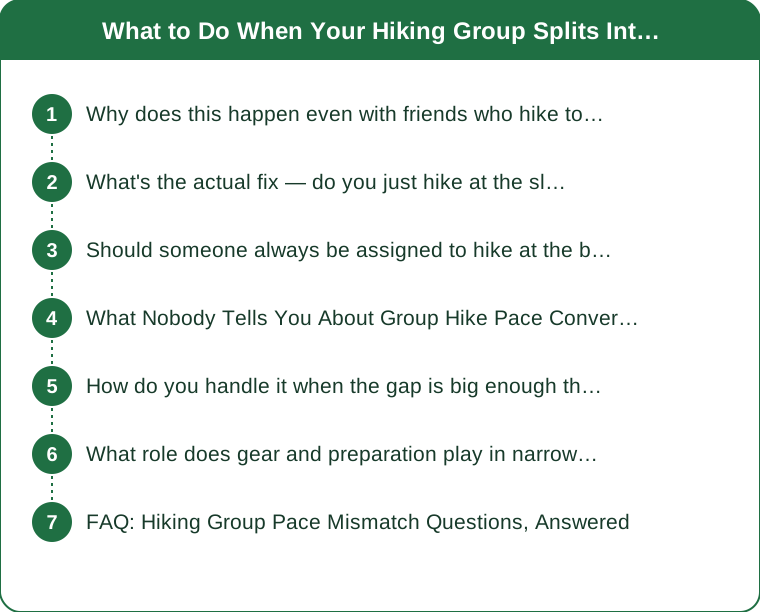
Quick Answer: Pace mismatches happen in almost every group hike and aren’t a sign anyone did something wrong — the fix is structural: regroup points every 20-30 minutes, a designated sweep person at the back, and an explicit conversation before the trailhead about who’s setting pace. Left unaddressed, it creates resentment on both ends; addressed early, it barely registers as a problem.
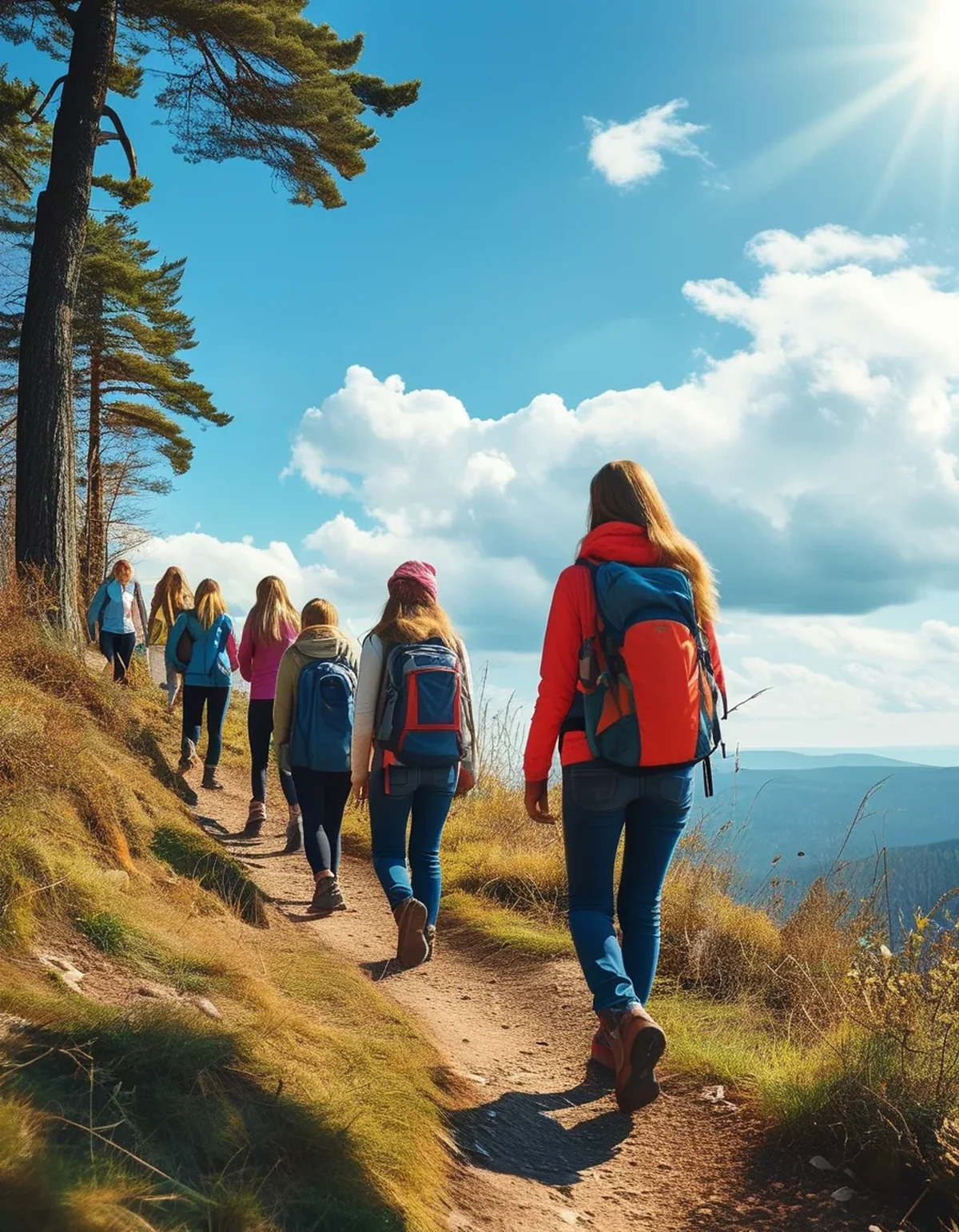
Someone in the group is a mile ahead before you’ve finished the first climb. Someone else is still catching their breath at the trailhead sign. By the second mile, the group isn’t really a group anymore — it’s two hikes happening on the same trail.
Why does this happen even with friends who hike together regularly?
Cardiovascular fitness and trail experience vary more than people expect, even among friends with similar general fitness levels — running fitness doesn’t fully transfer to sustained incline, and trail confidence (footing, technical terrain) is its own separate skill that develops at a different rate. Two people who bike together at the same pace can still split apart badly on a hiking trail.
The mismatch usually isn’t discovered until you’re already on trail, which is part of why it feels like a surprise every time rather than something anyone planned for.
Altitude, pack weight differences, and even shoe quality compound the gap further — someone breaking in new boots will naturally slow down regardless of fitness, and that’s worth accounting for before assuming it’s purely a conditioning issue.
What’s the actual fix — do you just hike at the slowest person’s pace the whole time?
Not necessarily, and forcing everyone to match the slowest pace the entire hike often breeds quiet resentment on the faster end just as much as pushing too hard breeds it on the slower end. The better structure is regroup points — the front group hikes ahead but stops and waits at clearly agreed spots (a trail junction, a scenic overlook, every 20-30 minutes) rather than waiting at every single bend.
This gives faster hikers room to actually hike at their pace in between checkpoints, while nobody gets left alone on trail for an extended stretch. It requires slightly more trail awareness — checking a map or app for reasonable checkpoint spacing before you start — but it solves the core tension better than either extreme.
Some groups also designate a rotating ‘pace leader’ role: whoever is slowest that day effectively sets the front-group pace between checkpoints, which distributes the accommodation instead of it always falling on the same person.
Should someone always be assigned to hike at the back of the group?
Yes — a designated sweep person, ideally someone experienced with the trail or with basic navigation skills, who commits to staying with whoever is slowest, is one of the simplest fixes for both safety and social dynamics. It means the slowest hiker is never alone, and it removes the ambiguity of ‘who’s supposed to wait for who’ that causes most of the friction.
This role should be agreed on before the trailhead, not improvised mid-hike once someone’s already noticeably behind — deciding in the moment tends to feel like a demotion rather than a plan, even when nobody means it that way.
Rotating the sweep role across different hikes (rather than always assigning the same person) also prevents any one person from feeling permanently cast as ‘the slow one’ or ‘the babysitter.‘
What Nobody Tells You About Group Hike Pace Conversations
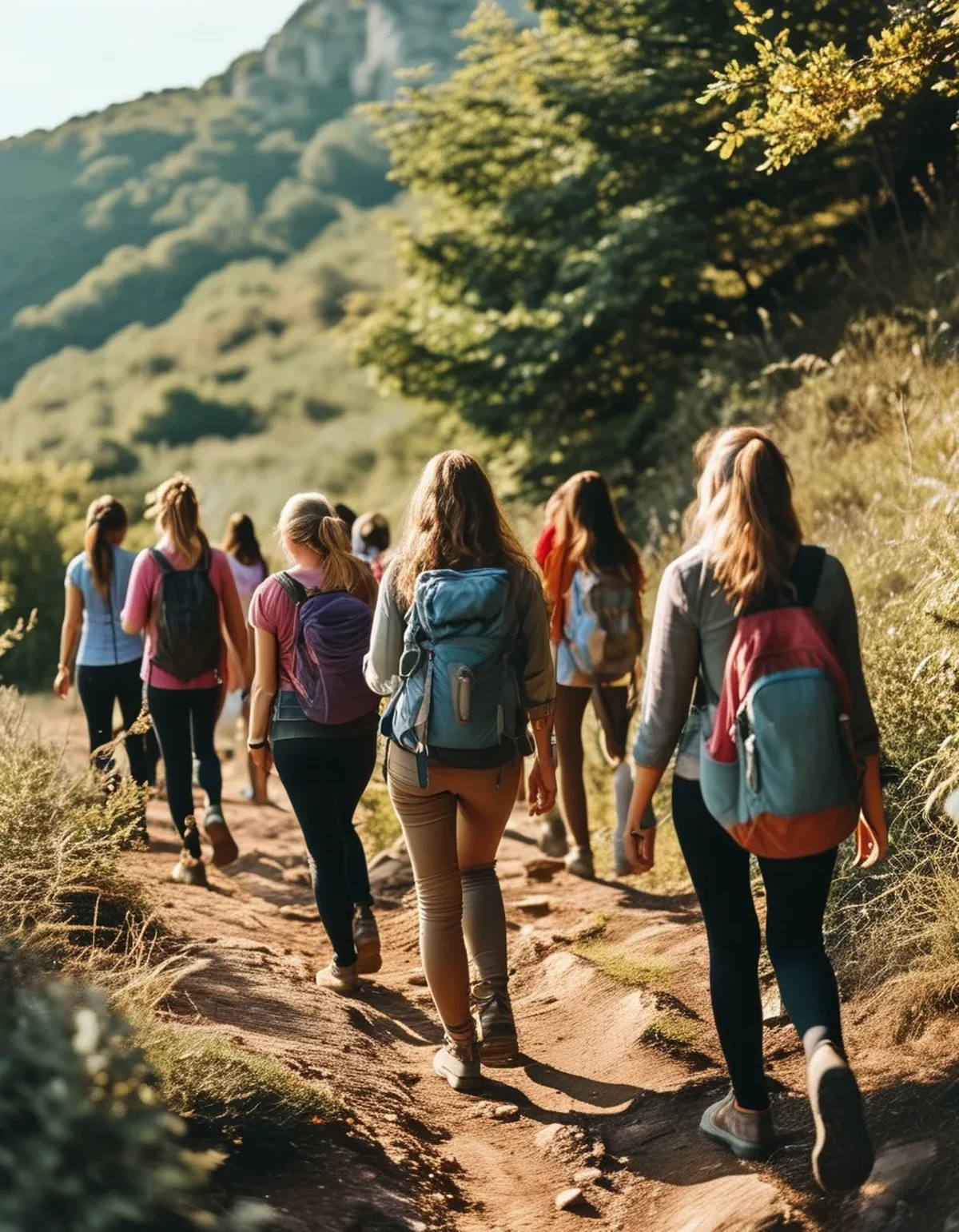
Most pace conflicts don’t come from the pace gap itself — they come from nobody naming it out loud before the hike starts. A two-minute conversation at the trailhead (‘hey, I know we move at different speeds, let’s regroup at the ridge and the lake’) does more to prevent resentment than any amount of mid-hike accommodation.
The slower hiker often assumes the faster ones are annoyed, and the faster hikers often assume the slower one doesn’t mind being left behind — neither assumption is usually true, but both go unspoken because bringing it up mid-trail feels awkward. Naming it before you start removes the guesswork entirely.
It also helps to explicitly separate ‘this is just how our fitness differs today’ from anything about commitment or trying hard enough — pace differences are largely physiological and experiential, not effort-based, and treating them that way keeps the framing kind on both sides.
How do you handle it when the gap is big enough that it might not be safe?
If the pace gap is wide enough that the slower hiker would be significantly behind on a technical or exposed section, that’s a trip-planning problem, not just a pacing problem — it’s worth choosing a different, better-matched trail rather than trying to force a mismatched group through terrain that punishes the gap. A big pace gap on a flat, well-marked loop is a minor inconvenience; the same gap on an exposed ridge with real navigation demands is a genuine safety issue.
Honest pre-trip fitness conversations, even slightly uncomfortable ones, are worth having before committing to an ambitious trail as a mixed-ability group. It’s a much easier conversation at the planning stage than it is halfway up a scramble.
What role does gear and preparation play in narrowing the gap?
A meaningful one, and it’s often overlooked. Pack weight differences alone can create a pace gap that has nothing to do with fitness — redistributing shared gear (water, food, first aid) so the strongest hikers carry more evens things out somewhat without anyone needing to change their actual hiking ability.
Similarly, someone in worn-in, well-fitted boots will naturally move faster and more confidently on technical terrain than someone breaking in new footwear, independent of fitness level entirely. If a known mismatch is partly gear-driven, addressing the gear (loaner poles, adjusted pack weight) is often a faster fix than trying to close a fitness gap in one hike.
FAQ: Hiking Group Pace Mismatch Questions, Answered
Is it rude to hike ahead of the group if you’re clearly faster?
Not if regroup points are agreed on beforehand — hiking ahead becomes a problem only when it’s unplanned and leaves someone genuinely alone or worried.
How do I bring up being the slower hiker without it feeling awkward?
Framing it factually and early (‘I’m slower on inclines, let’s plan checkpoints’) removes most of the awkwardness — it’s far more common than it feels in the moment, and most experienced hiking groups have a system for exactly this.
Should beginner hikers avoid group hikes with more experienced friends entirely?
Not necessarily — a well-structured mixed-ability hike with clear regroup points and an honest trail choice is often a great way to build experience, as long as the trail itself isn’t too ambitious for the gap.
TL;DR:
- Pace mismatches are normal, even among friends with similar general fitness — trail-specific conditioning varies independently
- Regroup points every 20-30 minutes work better than forcing one uniform pace the whole hike
- A designated, rotating sweep person keeps the slowest hiker from ever being alone
- Naming the pace gap out loud before the trailhead prevents most of the resentment that builds mid-hike
- A wide pace gap on technical or exposed terrain is a trip-planning issue, not just a pacing one
The split doesn’t mean the group hike failed — it means the structure wasn’t set up before the trailhead. Fix the structure, and the same group of mismatched paces turns into a genuinely good hike for everyone.
Keep Reading
This article is for general informational and styling purposes only. Fit, sizing, and product availability may vary — check current details before purchasing.