What to Wear Hiking: A Women's Layering Guide for Every Season
Quick Answer: Dress for a hike in three layers: a moisture-wicking base (never cotton), an insulating mid layer like a light fleece, and a wind- and water-resistant shell. Add or shed layers as you climb and cool down. Pack the shell even on clear summer days — mountain weather changes fast, and temperature typically drops about 3.5°F for every 1,000 feet you gain.
The trail doesn’t care about your outfit until, suddenly and completely, it does. Too hot on the climb. Freezing at the summit. Soaked when the clouds show up an hour early.
The difference between a miserable hike and a great one usually isn’t fitness. It’s one skill: layering.
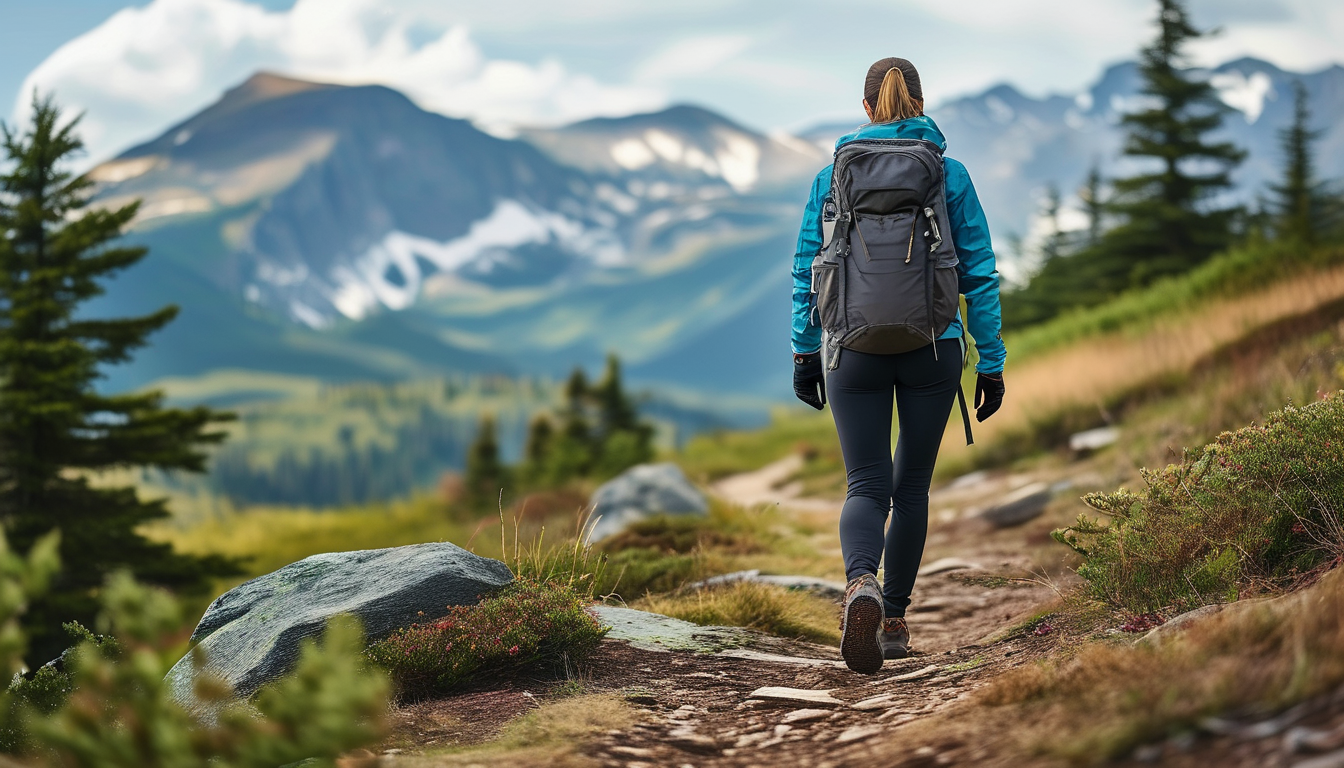
Why Layers Instead of One Warm Jacket?
Because your body’s heat output on a hike isn’t constant — it swings enormously, and a single jacket can only be right for one of those states.
Climbing, you’re generating serious heat and sweating. Standing at the summit eating a sandwich in the wind, you’re producing almost none, and the sweat you generated on the way up is now actively cooling you. That’s the mechanism behind the classic “summit chill,” and it’s why people who felt overheated 20 minutes ago start shivering.
Then there’s elevation. The standard atmospheric lapse rate is roughly 3.5°F per 1,000 feet of gain. A 3,000-foot climb from a 70°F trailhead puts you near 59°F at the top before wind is factored in. Add a 15 mph breeze on damp skin and it feels considerably colder than that.
Three thin layers you can add and remove let you match your insulation to your output, minute by minute. One heavy coat gives you two settings: on and off.
What Are the Three Hiking Layers?
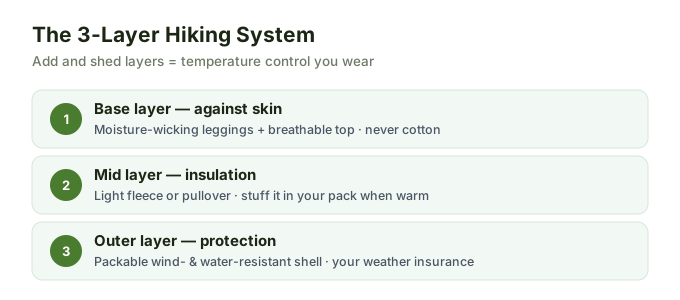
Base layer (against your skin) — moisture management. Wicking leggings and a breathable top. This layer’s job is to pull sweat off your skin so it can evaporate from the fabric instead of sitting against you. Merino wool or a technical synthetic. Never cotton — cotton absorbs roughly 25 times its weight in water, holds it, loses essentially all insulating value when wet, and then chills you. The old hiker’s line about cotton killing isn’t a joke about comfort.
Mid layer — insulation. A light fleece, grid fleece, or a thin down or synthetic puffy. This is the one you’ll take on and off most, so it should stuff into your pack easily. Grid fleece is the quiet favorite: it breathes well enough to hike in on cool days.
Outer layer — protection. A packable wind- and water-resistant shell. You may carry it all day without wearing it. Carry it anyway. A shell weighing 8–12 ounces is the cheapest insurance on the mountain, and wind protection alone can be worth several degrees of perceived warmth.
How Do You Adjust Layers by Season?
- Summer: the base layer does nearly all the work. Pack the shell regardless — afternoon thunderstorms in mountain terrain are common and fast. Sun protection matters more than insulation.
- Spring and fall: all three layers, and expect to adjust constantly. This is the season where layering skill actually pays. Start slightly cold at the trailhead — you’ll warm up within 10 minutes of climbing.
- Winter: heavier insulation, a warmer base, and add gloves, a beanie, and something for your neck. Extremities lose heat fastest and a hat is the highest warmth-per-ounce item in your pack.
The “start cold” rule is the one most beginners get wrong. If you’re comfortable standing at the trailhead, you’re overdressed for five minutes from now, and you’ll sweat through your base layer on the first climb. Then you’ll be wet, and wet is what makes you cold at the top.
The Details That Actually Decide Your Day
The outfit is maybe half of it:
- Moisture-wicking socks — merino or synthetic, never cotton. Wet socks plus friction is the entire recipe for blisters. Carry a spare pair; changing socks at the halfway point on a long day is a genuinely underrated move.
- Real hiking shoes with grip and, on uneven terrain, ankle support. Break them in before the big hike, not during.
- A hat and sunscreen. UV intensity rises roughly 10–12% per 1,000 meters of elevation, and snow or light rock reflects a lot of it back at you.
- Leggings that move — squat-proof, chafe-free, quick-drying. If you’re scrambling over rock, you’ll be in positions that test the fabric. A pair of squat-proof high waist leggings in a quick-dry knit handles both the range of motion and the sweat.
Myth vs. Fact
Myth: You lose most of your body heat through your head. Fact: You lose heat roughly in proportion to exposed surface area — the head is around 7–10% of it. A hat still matters a great deal, because it’s usually the part you left uncovered.
Myth: Waterproof is always better than water-resistant. Fact: Fully waterproof shells trade breathability for protection, and on a sweaty climb that trade can leave you wet from the inside. For most three-season hiking, a breathable water-resistant shell is more comfortable more often.
Myth: If it’s sunny at the trailhead, you can skip the shell. Fact: Trailhead weather predicts summit weather badly, especially above treeline. The shell weighs less than the water you’re already carrying.
FAQ
What should I wear hiking in hot weather?
A light, wicking base layer in a light color, sun-protective long sleeves if you’re exposed above treeline, a brimmed hat, and breathable leggings or shorts. Counterintuitively, loose long sleeves often beat a tank top in strong sun — you’re trading a little airflow for a lot less UV exposure and sunscreen reapplication.
Are leggings okay for hiking?
Yes, for most trails, as long as they’re a technical fabric rather than cotton and thick enough to resist abrasion on rock and brush. Where they fall short is heavy bushwhacking and cold-wet conditions, where a proper hiking pant sheds water and takes scrapes better.
How many layers do I need for a day hike?
Three is the standard system and covers most three-season conditions: base, mid, shell. On a warm summer day you might only wear the base and carry the other two — that’s the system working, not you over-packing.
TL;DR:
- Three layers beat one coat because your heat output swings wildly between climbing and stopping
- Base wicks (never cotton), mid insulates, shell blocks wind and rain
- Temperature drops about 3.5°F per 1,000 feet of elevation gain — the summit is genuinely colder
- Start slightly cold at the trailhead so you don’t soak your base layer on the first climb
- Wicking socks, broken-in shoes, a hat, and sunscreen decide comfort as much as the layers do
See It in Motion
Seen here: High Waist Embossed Yoga Leggings with Side Pockets — shop it on bubblelime.com
Keep Reading
This article is for general informational and styling purposes only. Fit, sizing, and product availability may vary — check current details before purchasing.