Why Your Pack Feels Heavier Going Downhill Than Going Up
Quick Answer: Downhill hiking generates significantly higher impact forces through your knees and joints than climbing, since your muscles are absorbing both your body weight and momentum with each step rather than just working against gravity — which is why the exact same pack weight can feel disproportionately harder and more fatiguing on a descent.
The climb was brutal but manageable. The descent, with the same pack, somehow feels worse by the time you’re back at the trailhead. That’s not your imagination, and it’s not really about cardio fitness.
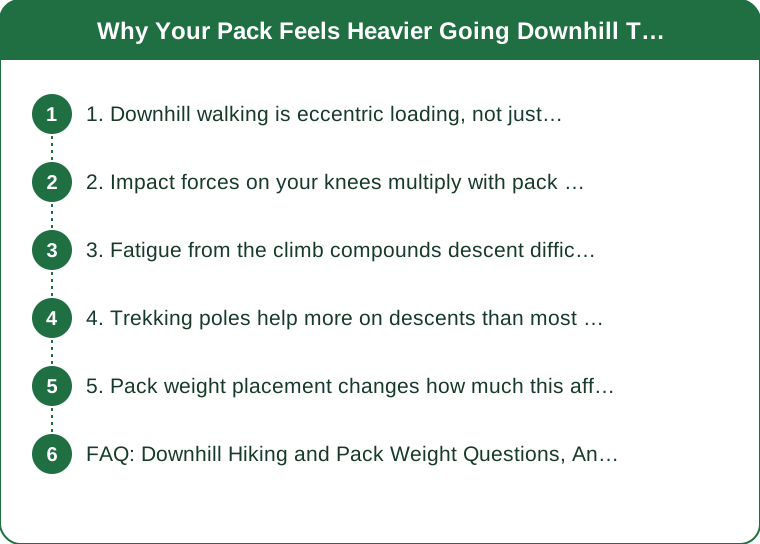
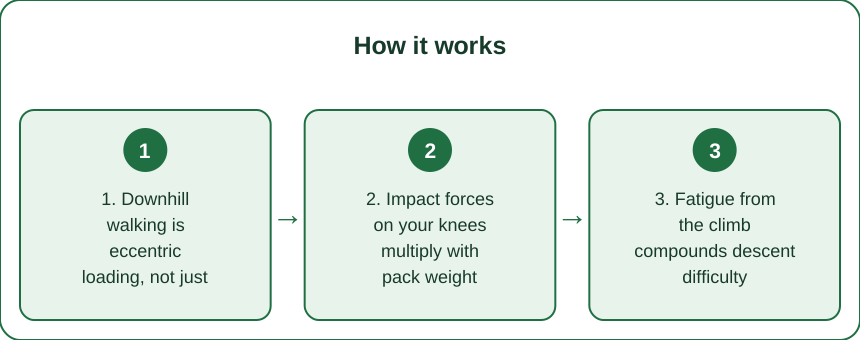
1. Downhill walking is eccentric loading, not just less effort
Climbing uphill is concentric muscle work — muscles shortening to move you upward. Descending is eccentric work — muscles lengthening while absorbing force, which research on downhill walking shows produces more muscle micro-damage and fatigue than uphill effort of similar cardiovascular intensity, even though it can feel less cardio-intense.
2. Impact forces on your knees multiply with pack weight specifically
Every downhill step involves your joints absorbing your body weight plus your pack weight plus added momentum from the descent, a combined force that studies on loaded walking suggest can be several times your standing body weight per step — a much larger multiplier effect than the same pack weight has on a flat or uphill surface.
3. Fatigue from the climb compounds descent difficulty
By the time you’re descending, leg muscles are already fatigued from the climb, reducing their ability to control the eccentric loading of each downhill step. This is part of why late-hike descents feel disproportionately harder than an equivalent descent done fresh.
4. Trekking poles help more on descents than most hikers realize
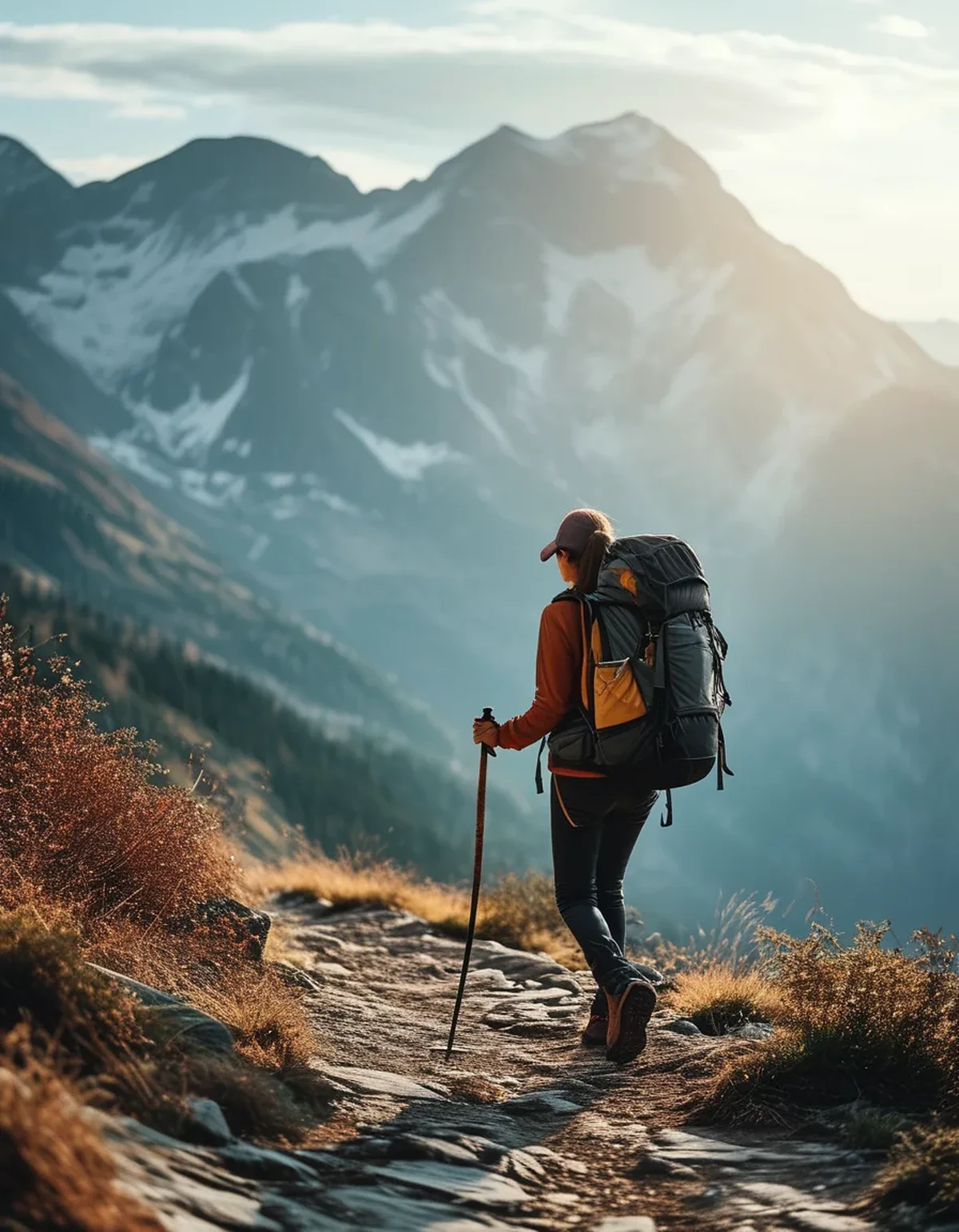
Poles redistribute a portion of the impact load to your arms and shoulders, meaningfully reducing the force your knees absorb per step. Studies on trekking pole use during descents show a measurable reduction in perceived leg exertion compared to hiking downhill without them.
5. Pack weight placement changes how much this affects you
A pack loaded with weight sitting too low or too far back increases the momentum and instability your legs have to control on each downhill step. Keeping heavier items higher and closer to your back reduces the added control demand descents place on already-fatigued muscles.
FAQ: Downhill Hiking and Pack Weight Questions, Answered
Does this mean pack weight matters more for descents than climbs?
In terms of joint impact, yes — the same weight has a proportionally larger effect on knee loading during descent than during a climb of similar length.
Do trekking poles really make a measurable difference, or is it mostly psychological?
Research measuring muscle activity and perceived exertion during pole-assisted descents shows a real, measurable reduction in leg load, not just a subjective feeling.
Is soreness the day after a hike usually from the climb or the descent?
Most hikers report more post-hike soreness from descents specifically, consistent with the eccentric-loading muscle damage pattern research associates with downhill walking.
TL;DR:
- Descending is eccentric muscle work that causes more fatigue and micro-damage than climbing of similar intensity
- Pack weight combined with downhill momentum multiplies the impact force your knees absorb per step
- Climb fatigue compounds descent difficulty since tired muscles control eccentric loading less effectively
- Trekking poles and proper pack loading both measurably reduce the added strain descents place on your legs
A pack that felt fine going up genuinely does hit differently on the way down — it’s real physics on your joints, and poles plus smart pack loading are the most effective fixes.
Keep Reading
This article is for general informational and styling purposes only. Fit, sizing, and product availability may vary — check current details before purchasing.